Standing Seam Cladding: Melbourne Home Design Guide

Brandon Caspersz • July 14, 2026

Few things date a home faster than cladding that was rushed, mismatched, or fitted by someone chasing the quickest finish rather than the best one. You see it across Melbourne: rippled panels, exposed fixings, and rust streaks appearing only a few winters after the work was signed off.


Standing seam cladding sits at the other end of that spectrum. With its clean vertical lines and concealed fixings, it has become one of the most sought-after finishes for modern Melbourne homes, prized for both its sharp architectural look and its long working life.


The result you get, though, depends entirely on who installs it. Architectural specialists treat cladding as a design decision, not just a covering. This guide explains what standing seam cladding is, which materials suit Melbourne's climate and coastline, and how to choose a system that protects and enhances your property for decades.


The Real Cost of Cladding Done Poorly

Cladding is one of the most visible investments you will ever make in a property. It frames the entire exterior, which means any compromise in quality ends up on permanent display.


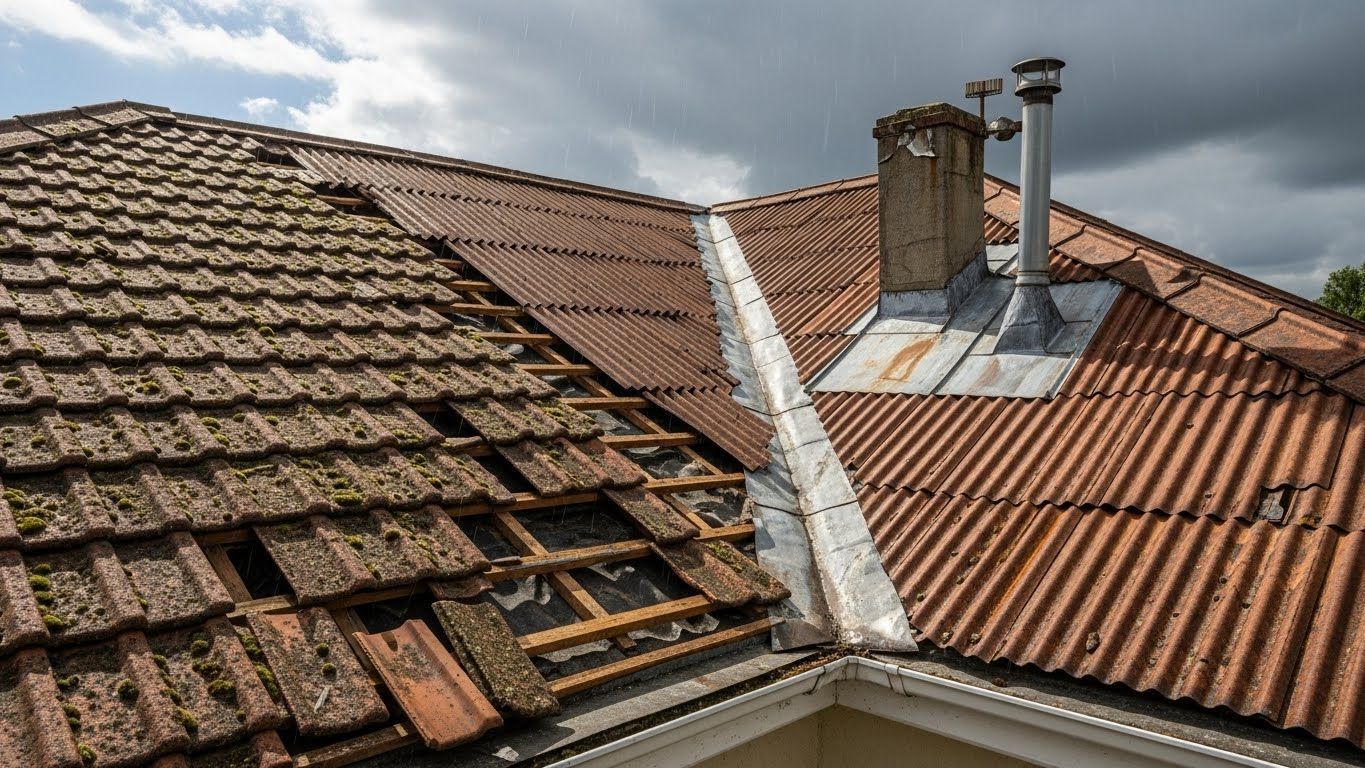
Poor workmanship rarely announces itself on handover day. It shows up later as oil-canning (visible waviness across flat panels), water tracking behind sheets, and fasteners that corrode and stain the facade. By then the fix usually means stripping and replacing sections, not a quick patch.


None of this is unavoidable. It is simply what happens when a complex finish is treated as a basic one, and when the person on the tools has never been taught to set it out properly.


The hidden costs of corner-cutting contractors add up quickly:


  • Premature corrosion when the wrong grade of steel is used near the coast.
  • Leaks and trapped moisture from rushed flashing and detailing.
  • Panels that buckle or fade because cheaper substitutes were swapped in.
  • Aesthetic compromises that quietly erode a home's value and street appeal.


Melbourne properties ask a great deal of their exterior. A facade has to handle hot, dry summers, driving winter rain, and, across the Bayside suburbs, salt-laden air that attacks ordinary materials. If you are still weighing up your options, this overview of cladding types, benefits and costs for Australian homes is a useful starting point.


What homeowners and builders actually need is durability, genuine architectural quality, coastal resistance where it matters, and energy efficiency. Quality metal wall cladding delivers on all four, but only when the material and the installer are matched to the job. Choosing on price alone is how good intentions turn into expensive regrets.


What Sets Standing Seam Cladding Apart

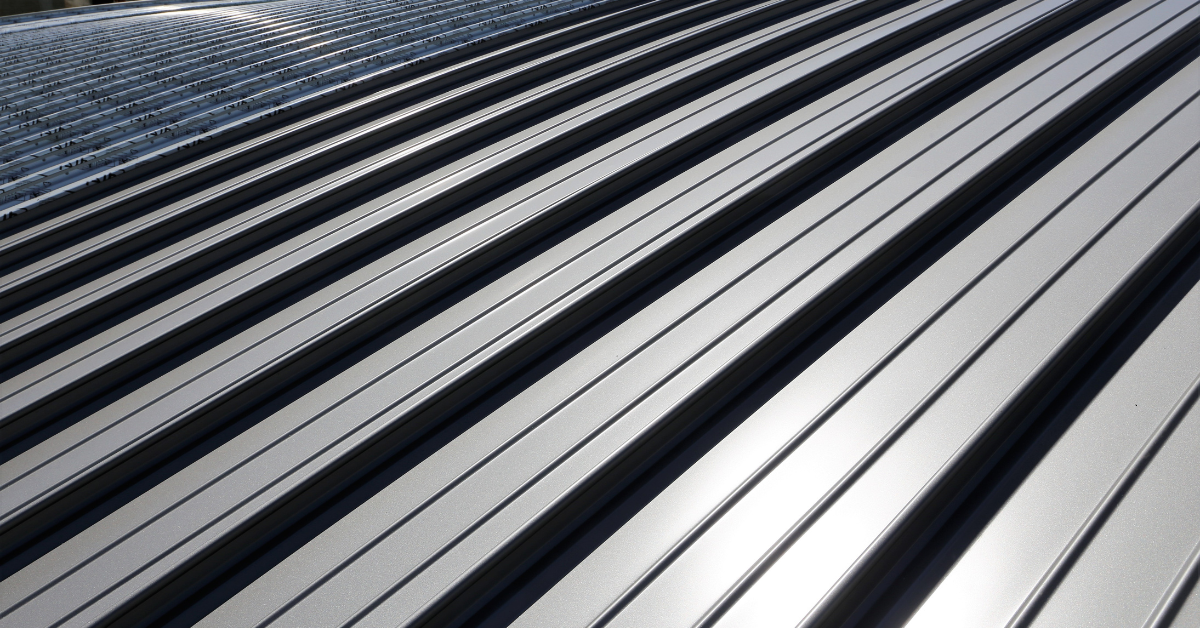
Standing seam cladding is a system of long metal panels joined by raised vertical seams that interlock and conceal the fixings beneath them. There are no exposed screws across the face of the sheet, which is what gives the finish its uninterrupted, gallery-like quality.

Concealed fixings, cleaner lines

Because the panels clip to hidden brackets rather than being screwed through the surface, the face stays smooth and the fixings stay protected from the weather. That concealed detail is both an aesthetic choice and a practical one. Fewer penetrations means fewer points where water can find its way in.

One system, walls and roofs

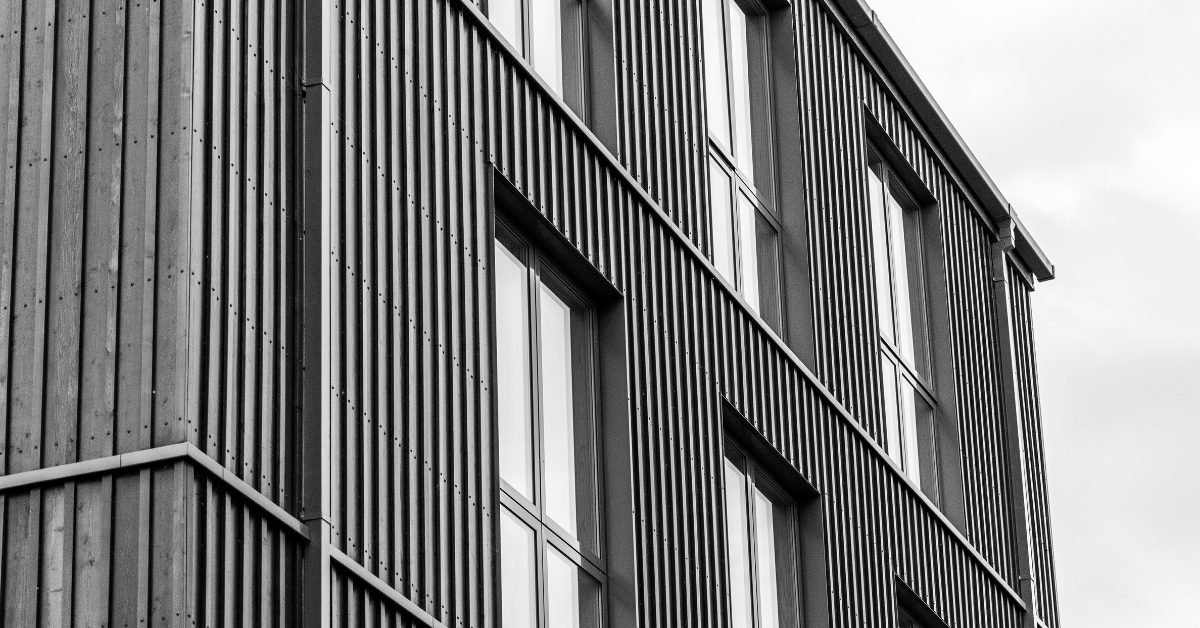
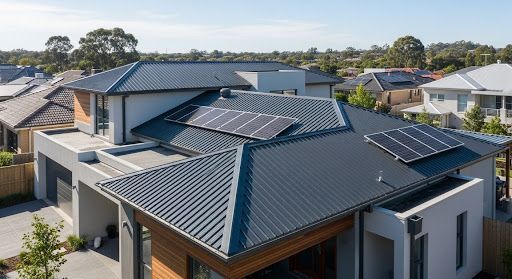
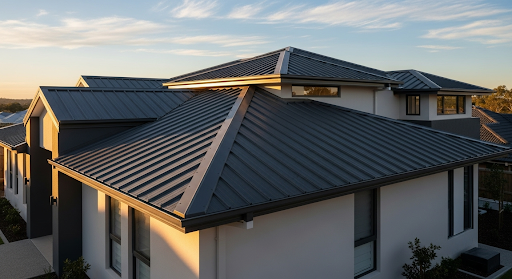
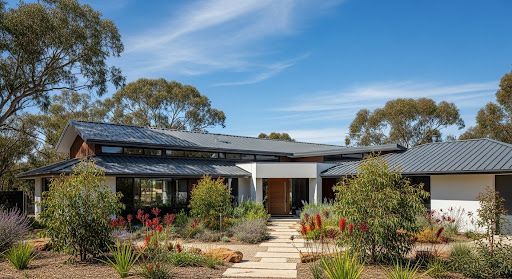
The same profile performs two roles. As standing seam wall cladding it wraps facades, extensions, and feature walls in crisp vertical lines. As a standing seam roof it sheds water efficiently and suits the low-pitch, contemporary rooflines that architects favour today.


That versatility is a large part of the appeal. A single material can carry from the roofline down the walls, tying a building together in a way mixed materials struggle to match. For homeowners planning a renovation or new build, the takeaways are simple: long clean sightlines, hidden fixings that age well, and a finish equally at home on a wall or a roof. It rewards careful installation, which is exactly why the choice of installer matters as much as the choice of material.


Choosing the Right Material for Melbourne Homes

The profile is only half the decision. The metal you choose determines how the cladding performs against Melbourne's climate, how it ages, and how much maintenance it asks of you over the years.

Colorbond standing seam cladding is the most popular choice for local homes. It uses pre-painted steel in a wide colour range, with Thermatech solar reflectance built in to help keep interiors cooler. For tougher coastal and industrial sites, Colorbond Ultra adds extra corrosion resistance closer to the water.


Other options each suit a particular brief:



Material Best suited to Key strength Watch point
Colorbond steel Most Melbourne homes Colour range, value, Thermatech heat reflection Standard grade unsuitable very close to surf
Colorbond Ultra Bayside and coastal builds Enhanced corrosion resistance Costs more than standard grade
Zincalume Modern, industrial looks Bright unpainted metallic finish Limited colour, not painted
Aluminium Beachfront facades Excellent natural corrosion resistance Premium pricing
Copper and zinc Statement and heritage projects Living patina and long life Highest cost, specialist install

For coastal homeowners, material selection is not a style question alone. BlueScope publishes clear guidance on selecting a steel grade for marine environments, and within roughly 200 metres of breaking surf a standard grade may not be enough. Getting this right is the difference between cladding that lasts decades and cladding that streaks with rust in a handful of seasons.


Energy efficiency is the other quiet advantage. Colorbond's own thermal efficiency information explains how reflective technology reduces heat gain, which matters as much for everyday comfort as it does for your power bills.


Installation is the final variable, and it shapes both cost and timeline. Standing seam takes more skill and patience to install than face-fixed sheeting, because every seam, clip, and flashing has to be set out precisely. That care is the whole point of the system, but it does mean rushing the work is never an option. A realistic schedule, agreed before the first panel arrives, is a sign you are dealing with a specialist rather than a generalist.


Matching Standing Seam Cladding to Your Property Type

No two Melbourne homes ask the same thing of their cladding. The right specification depends on where you are and what you are building.


Bayside and coastal homes

In Hampton, Brighton, and Sandringham, salt air is the deciding factor. Marine-grade materials and corrosion-resistant fixings are not optional extras here, they are what keeps a facade looking sharp through coastal winters. Choosing an installer with genuine Bayside experience protects your investment.


Modern architectural builds

For contemporary homes, standing seam is often the hero finish. Its clean lines and design integration suit sleek, considered facades, and working with a team that understands architectural cladding ensures the detailing lives up to the design intent.


Period homes

In Toorak, Armadale, and Camberwell, the goal is usually to add a refined modern element without overwhelming heritage character. Standing seam can do this beautifully on extensions and rear additions when it is handled with restraint and precision.


Commercial and large-scale builds

For commercial properties and volume builders, reliability is everything. Quality at scale, on-time delivery, and smooth coordination with other trades keep a project on track and on budget.


What the Wrong Cladding Choice Really Costs

It is tempting to judge a cladding quote on the headline number. The more useful question is what each option costs you over fifteen or twenty years.


An inexperienced contractor or an under-specified material can lead to premature failure, and replacing cladding is far dearer than installing it well the first time. There is the material and labour to redo, plus the disruption of living through a second project.


There is also a value cost that is easy to overlook. A tired or poorly finished facade affects how a property presents and how buyers respond to it. In sought-after Melbourne suburbs, kerb appeal carries real weight, and cladding is the first thing anyone sees.


Specialist craftsmanship is not the expensive option, it is the economical one over the life of the building.

Best Practices for Melbourne Property Owners

A little planning goes a long way before any panels are ordered. The most successful projects share a few habits.


  • Match the material to your location first, especially proximity to the coast and prevailing salt exposure.
  • Ask any contractor for recent local projects and photographs of finished work.
  • Pair quality cladding with proper insulation; Sustainability Victoria's guidance on home insulation shows how much comfort and running cost depend on it.
  • Confirm flashing, detailing, and fixings are specified up front, not improvised on site.
  • Treat vague quotes, no references, and pressure to start immediately as warning signs.


If a contractor talks only about speed and price, and never about design, durability, or the right grade for your suburb, that is your cue to look for a specialist rather than a generalist.

standing seam roof

How HK Roofing Approaches Standing Seam Cladding

HK Roofing is a Windsor-based family business that has built its reputation on architectural metal roofing, cladding, and skylights across Melbourne. The process is deliberately straightforward: you submit your project, receive a clear custom quote, agree a schedule, and the installation is carried out to a fixed standard, backed by a satisfaction guarantee.


Founded by Kiwis Hans and Kevin, the team blends New Zealand and Australian roofing standards, bringing an architectural eye to work that many treat as purely functional. With more than 25 years of combined experience and a 4.9-star client rating, the focus is on premium materials, trusted local suppliers, and meticulous installation delivered on time and on budget.


That specialist focus extends across the whole building envelope, from architectural cladding to skylights that bring natural light into contemporary spaces. Whether the project is a coastal Bayside home, a modern architectural build, or a large-scale job alongside builders and architects, the priority stays the same: craftsmanship that protects and enhances your property.


Practical support sits alongside the craftsmanship. The team works within client budgets without dropping its standards, integrates new cladding cleanly into existing structures on renovations, and applies marine-grade techniques where coastal conditions demand them. Detailed, transparent quotes are provided before any project commences, so there are no surprises once the work is underway.


Frequently Asked Questions

Is standing seam cladding suitable for coastal Bayside homes?

Yes, provided the material is matched to the location. Within around 200 metres of breaking surf, a standard steel grade may not be enough, and a more corrosion-resistant option such as Colorbond Ultra or aluminium is often specified. Marine-grade fixings matter just as much as the panels. This is where local coastal experience pays off, because the right call protects your facade for decades.


Can standing seam be used on both the walls and the roof?

It can, and many modern Melbourne homes do exactly that. Using the same profile for a standing seam roof and the walls below creates a unified, considered look that mixed materials rarely achieve. The detailing where walls meet roof is critical, so this is a finish that rewards a careful, experienced installer.


How does standing seam cladding compare to roof tiles?

Metal offers a lighter, more contemporary finish with long, clean lines that tiles cannot replicate. It also suits the low-pitch roofs common in modern design. Tiles still have their place on traditional homes, but for sleek architectural builds and coastal durability, standing seam metal is usually the stronger fit.


Is Colorbond standing seam cladding good for energy efficiency?

Colorbond steel includes Thermatech solar reflectance technology, which reflects more of the sun's heat on hot days and can help reduce reliance on cooling. Paired with good insulation, it supports a comfortable, efficient home. It is also a sensible choice for passive house and energy-conscious projects, which the team has experience delivering.


How long does a standing seam cladding project take?

Timelines depend on the size of the home, the complexity of the design, and the material lead times. A custom quote sets out the schedule clearly before work begins, so you know what to expect. The aim is always to deliver on time and on budget, without cutting corners to get there.


Can skylights be integrated into a standing seam roof?

Yes. Skylights can be designed into a standing seam roof so they sit cleanly within the panel lines and stay fully weatherproof. The key is getting the flashing and detailing right, which is part of the same specialist craftsmanship the cladding itself depends on.


Will standing seam suit a period home?

It can, when used thoughtfully. On extensions and rear additions, standing seam adds a refined modern note without overpowering heritage character. The trick is restraint and precise installation, so the new work complements the original home rather than competing with it.


Protect and Enhance Your Property with Specialist Craftsmanship

Standing seam cladding can transform a Melbourne home, giving it clean architectural lines and a finish built to last. But that outcome depends on the right material for your suburb and the right hands carrying out the work. Quality craftsmanship protects your property and enhances its value in a way quick fixes never will.


For a custom quote or to talk through your project, contact HK Roofing on 0435 875 877. It is the simplest way to make sure your standing seam cladding is done properly, the first time.


roof replacement cost
By Brandon Caspersz June 18, 2026
Discover 2026 roof replacement costs in Melbourne. Compare Colorbond, materials, and hidden expenses. Expert insights from HK Roofing specialists.
what is cladding
By Brandon Caspersz May 14, 2026
Wondering what is cladding and how it protects your home? HK Roofing explains types, benefits and costs of architectural metal cladding in Melbourne.
Effective Skylight Cleaning
By Brandon Caspersz March 17, 2026
Learn safe skylight cleaning steps for Australian roofs, plus maintenance tips for glass and domes, energy efficiency, and when to call a licensed local roofer.
roof repair melbourne
By Brandon Caspersz February 10, 2026
Protect your Melbourne home with expert HK Roofing repairs that solve roof leaks, structural stress, gutter issues and coastal corrosion for long-lasting performance.
By Brandon Caspersz January 27, 2026
Beat roof heat with reflective membranes, floating metal systems, and thermal spacers that cut energy costs, extend roof life, and keep buildings compliant with HK Roofing expertise.
By Brandon Caspersz January 27, 2026
Roof leaks often start small and spread fast. Know the causes, warning signs, fixes, and when professional repair ensures long-term protection for your home.
By Brandon Caspersz November 10, 2025
When a home renovation reaches the roofing stage, one of the biggest decisions homeowners face is whether to install roof cladding and which type to choose. It is an important question, as the roof is one of the first things people notice about a house. The right roof cladding can make a home look modern and polished while also providing lasting protection. It should be affordable, durable, and installed by licensed experts who deliver quality workmanship. With this in mind, HK Roofing has prepared this guide to help you select the suitable cladding for your location and budget. Drawing from years of roofing experience, this guide explains what roof cladding is and why it's essential for protecting your property. Understanding Roof Cladding and Its Role in Modern Homes Roof cladding is the outer layer placed over a roof structure to protect it from weather, heat, and moisture. While it defines how a home looks from the outside, its purpose goes much deeper than appearance. In modern construction, roof cladding acts as a strong protective shield and an important design element. High-quality cladding materials can improve insulation by up to 25%, helping regulate indoor temperatures and lower energy bills. According to Australian Building Codes Board (ABCB) data, well-insulated roofing systems can reduce household energy consumption for heating and cooling by 15–30% annually. Durable materials are tested to resist corrosion for over 30 years under Australian climate conditions. Many systems also integrate with insulation and ventilation layers to control condensation and maintain year-round indoor comfort. Upgrading or replacing old cladding can increase a home’s value by up to 10%. This makes roof cladding one of the most practical long-term investments for homeowners. Types of Roof Cladding Materials
By Brandon Caspersz November 6, 2025
Get expert tips on choosing the right skylight for your Australian home with HK Roofing’s trusted installation and roofing services.
By Hans Mills November 3, 2025
Metal roofing is now one of the most popular choices for modern buildings, as it is strong and long-lasting. A well-installed metal roof can easily last 30 to 40 years with minimal upkeep, making it a reliable option for homeowners. It is also energy efficient. By reflecting the sun’s heat, metal roofing helps keep rooms cooler inside, reduces the need for air conditioning, and lowers power bills. For more details on roofing materials and energy performance, visit the Australian Government’s Your Home guide . Once considered mainly for commercial or industrial buildings, metal roofing is now widely used in homes as well, thanks to its durability and modern appeal. Metal roofing is available in many designs, profiles, and colours, making it suitable for classic and modern homes. This guide explains the main types of metal roofing , including corrugated, Kliplok, standing seam, nailstrip, and interlocking panels. It also covers the key materials used: steel, aluminium, copper, and zinc, with expert guidance from HK Roofing to help homeowners choose the right fit for their needs. Types of Metal Roofing for Homes Traditional Corrugated Roofing Corrugated roofing is one of the most familiar styles, known for its rippled steel design. It has been popular for decades due to its affordability, ease of installation, and high reliability. Corrugated panels also give homes a classic look that suits traditional and modern designs. Modern Flat-Seam and Kliplok Systems Flat-seam and Kliplok panels bring a more modern touch to roofing. Unlike corrugated sheets, Kliplok systems utilise concealed fasteners to create a smooth, flat finish, making them an ideal choice for contemporary homes with lower-pitched roofs. Their interlocking design also improves wind resistance and reduces the chance of leaks, combining function with clean, simple style. Architectural Standing Seam, Nail-strip, and Interlocking Panels For homeowners wanting a stronger architectural look, standing seam, nail strip , and interlocking panels are popular choices. Standing seam roofing features raised vertical ribs that give a sharp, sleek appearance. Nailstrip offers a similar design but is quicker to install, while interlocking panels can be laid out horizontally, vertically, or diagonally for more design freedom. These styles are also available in various metals, including steel, aluminium, copper, and zinc, offering a range of choices for both appearance and performance. Comparing Types of Metal Roofing for Your Home
Roofer on a roof installing dark metal tiles with a power drill; houses in the background.
By HK Roofing February 5, 2025
Brighton, a vibrant coastal city, is known for its stunning architecture and diverse housing styles. As a result, the city boasts a variety of roofing systems, each with its unique features and benefits. In this comprehensive guide, we’ll delve into the most common roofing systems found in Brighton, their suitability for different climate conditions, and how to choose the right one for your home.
Show More