
Best Practices for Safe and Effective Skylight Cleaning

Brandon Caspersz • March 17, 2026

Skylights can make a home feel lighter, more open and simply nicer to live in. But with time they gain those same deposits as do the rest of the roof — dust, coastal salt, tree sap, storm grit, even bushfire ash. That film can block out light and, crucially, cover up early problems related to seals and flashings. 


With Australia’s strong UV and changeable weather, skylight cleaning is not just for appearances. It also helps the skylight stay safe, watertight and working as it should.


This guide walks homeowners through skylight cleaning, along with tips based on roof type, and clear pointers on when it is better to call a licensed professional.


Why Skylights Get Dirty

A skylight sits in one of the harshest parts of the home environment: the roofline. That means it is exposed to UV, wind-driven rain, airborne pollutants, and organic debris year-round.


Common Australian Causes Of Build-Up

1. Coastal areas: Salt mist can leave a haze on skylight glass and accelerate corrosion around fixings and flashings.


2. Leafy suburbs:  Sap, pollen, and leaf litter can stain glazing and block drainage paths around the frame.


3. Storm seasons:  After heavy rain and wind, fine grit and debris can settle around seals and weep holes.


4. Bushfire smoke and ash:  Ash can be abrasive if wiped dry, and it can discolour older acrylic domes.


The practical impact of dirt is simple: less natural light and a higher chance you miss early warning signs (like cracked seals, lifting flashing, or moisture marks). Over time, that can lead to leaks, ceiling staining, mould, or insulation damage.


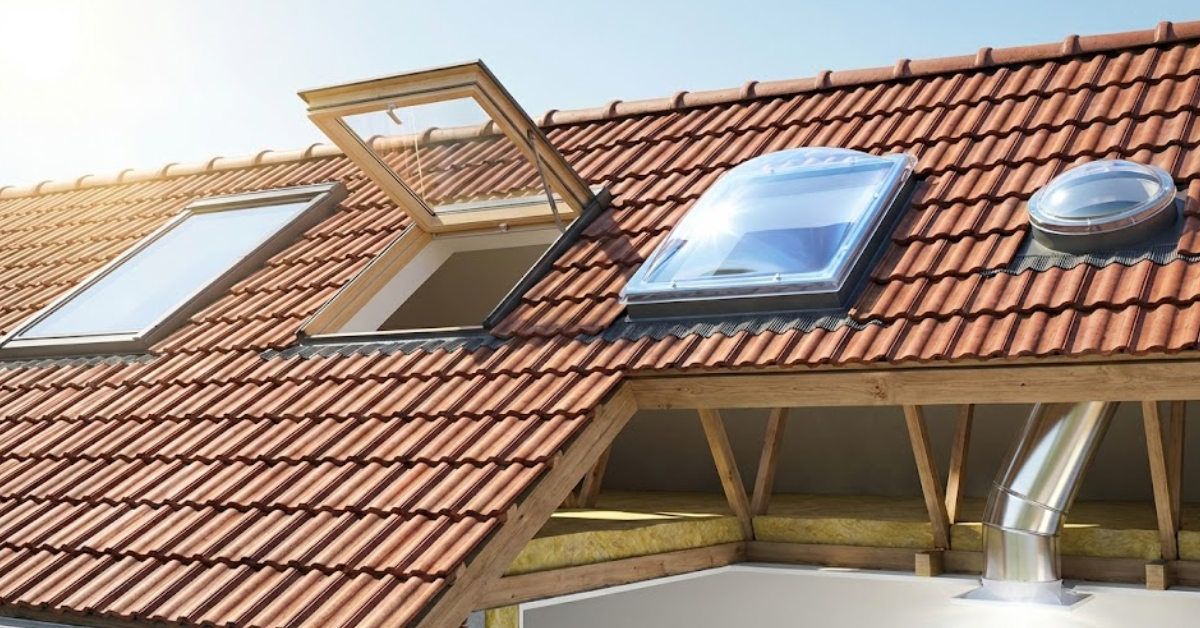
Comparison Table Of Common Skylight Types In Australia


Indicative only. Lifespan and maintenance needs vary by brand, exposure, installation quality, and roof design.


If you are planning an upgrade, it is worth checking energy ratings. The Window Energy Rating Scheme (WERS) covers skylights and provides performance information for products.


Safety First: When DIY Is And Is Not Worth It

If you take one thing from this article, make it this: skylight cleaning is a working-at-heights activity if it requires roof access, and falls can be catastrophic. Safe Work Australia highlights working at heights as a high-risk activity and a leading cause of serious injury in Australia.

When DIY May Be Reasonable

You can clean from inside only (most of the visible dirt is internal).

You can safely reach the exterior glazing from the ground using an extension pole, without climbing.

You have a single-storey home, low pitch, dry conditions, and safe access equipment, and you are confident you can avoid stepping on fragile roof areas.

When To Stop And Call A Professional

Two-storey homes or steep roof pitches.

Tile, slate, or visibly weathered roofs.

Any signs of leaks, cracked flashing, broken tiles, or skylight movement.

You need to use ladders near power lines or on uneven ground.

The skylight is large, awkward, or near roof edges.

A professional roofer will use the right access method, identify risks (like brittle surfaces or fragile sections), and inspect the surrounding roof system while they are there.

Weather Timing Matters

In Australia, heat and glare can also increase risk. Avoid roof work during:

  • high wind
  • rain, dew, or immediately after storms
  • extreme heat days (especially on dark metal roofs)

After cleaning, check the ceiling around the skylight over the next day or two. Any damp patch or stain can mean a seal or flashing issue, so get it checked early.

Step-By-Step Best Practice For Safe, Effective Skylight Cleaning

The safest approach is always minimal roof access. Start inside, then move outward only if you can do so safely.

Step 1: Prep And Clean The Interior

You may want to lay drop sheets for this process and move any nearby furniture so you aren’t working over expensive items. Wipe the inside of the frame and plaster reveal, as well as any insect screen, with a microfibre cloth to stop transferring grit onto the glass. Wash inside glazing with mild detergent and water or a specialised glass cleaners and polish dry using a lint-free cloth to minimise streak marks.

As you’re up there, look for mould or moisture marks in the corners, and if you have a double-glazed skylight with condensation between the panes‬, think of it as a seal issue rather than needing to give your ‪skylight a clean.

Step 2: Clean The Exterior From The Ground Where Possible

Should the outside need a good clean, try to address this from the ground level with an extension pole and soft-bristle brush or microfibre pad. Begin with a gentle hose-off to remove loose dust and grit, then wash with pH-neutral soapy water so you don’t harm any seals or coatings. Rinse it again to remove soap residue (which can draw in more dirt) and air dry if at all possible. This process minimises the danger of falls and reduces the potential of cracking tiles or denting metal roofing.

Step 3: Only Access The Roof If You Can Do It Safely

Avoid high-pressure washing because it can drive water under flashings and seals, strip protective coatings, and create leaks that show up days later. Skip abrasive pads, scourers, or dry wiping, as fine grit can scratch acrylic domes and even mark glass. Steer clear of harsh chemicals such as solvents, bleach mixes, or strong caustic cleaners that can degrade rubber seals and discolour plastics. Use gentle products and soft tools, and always rinse thoroughly so no residue is left behind.

Step 4: Avoid Damage-Causing Methods

Skip high-pressure washing because it can drive water under flashings and seals, strip protective coatings, and create leaks that show up days later. Avoid abrasive pads, scourers, or dry wiping, as fine grit can scratch acrylic domes and even mark glass.

Steer clear of harsh chemicals such as solvents, bleach mixes, or strong caustic cleaners that can degrade rubber seals and discolour plastics. Use gentle products and soft tools, and always rinse thoroughly so no residue is left behind.

Step 5: Finish With A Quick Condition Check

When the skylight appears clean, take two minutes to investigate the surroundings for early warning signs. Check for cracked, lifting, or corroded flashing, gaps or brittleness in seals, and debris build-up around the skylight curb that could trap water.

Inspect the ceiling and skylight shaft from inside looking for faint stains, bubbling paint, or damp patches. If something looks off, call for an inspection sooner rather than later because often small issues are easier (and cheaper) to fix before they progress to an active leak.

Choosing The Right Approach Based On Home Style, Location, And Budget

What to do with skylight depends on the type of roof you’ve got, your current climate and if you’re cleaning for light or dealing with leaks. Single-storey, low pitch roofs commonly are simple to clean, but metal can be slippery and tiles can crack, while double-storey, steep or older roofs often require a professional clean and inspection.

Homes along the coast need to be wary of corrosion, humid areas for mould, and smoky or ash periods call for gentle cleaning plus gutter checks. Budget-wise, compare DIY from inside or the ground, professional clean plus inspection, or repair/replacement if seals or glazing are failing, and consider upgrading during a roof replacement so waterproofing is done as one system.

Conclusion

Cleaning skylights is more than just clearer glass. It helps maintain daylight, protect seals, and detect early problems like lifting flashing or moisture marks. Start by cleaning from inside, then use gentle tools from the ground where possible, and avoid roof access unless it is truly safe. If you notice leaks, fogging, cracks, or repeated seal problems, a licensed roofer can advise on repair or replacement, and HK Roofing can assess the skylight and surrounding roof system to ensure it performs well in Australian conditions.

Skylight type Indicative lifespan Best for Maintenance notes
Flat glass skylight (fixed) 15–25+ years Living areas and kitchens where you want strong daylight Clean glazing and frame yearly, check flashing and seals
Opening skylight or roof window 15–25+ years Bedrooms and upper floors where airflow helps As above plus hinges, screens, and opening mechanisms
Dome skylight 10–20 years Bathrooms and laundries on many older homes Use gentle cleaners, avoid abrasive pads, watch for yellowing or crazing
Tubular skylight (sun tunnel) 10–20 years Hill dave.hill@mail.com

If you are planning an upgrade, it is worth checking energy ratings. The Window Energy Rating Scheme (WERS) covers skylights and provides performance information for products.


Safety First: When DIY Is And Is Not Worth It

If you take one thing from this article, make it this: skylight cleaning is a working-at-heights activity if it requires roof access, and falls can be catastrophic. Safe Work Australia highlights working at heights as a high-risk activity and a leading cause of serious injury in Australia.


When DIY May Be Reasonable

You can clean from inside only (most of the visible dirt is internal).


You can safely reach the exterior glazing from the ground using an extension pole, without climbing.


You have a single-storey home, low pitch, dry conditions, and safe access equipment, and you are confident you can avoid stepping on fragile roof areas.


When To Stop And Call A Professional

Two-storey homes or steep roof pitches.


Tile, slate, or visibly weathered roofs.


Any signs of leaks, cracked flashing, broken tiles, or skylight movement.


You need to use ladders near power lines or on uneven ground.


The skylight is large, awkward, or near roof edges.


A professional roofer will use the right access method, identify risks (like brittle surfaces or fragile sections), and inspect the surrounding roof system while they are there.


Weather Timing Matters

In Australia, heat and glare can also increase risk. Avoid roof work during:


  • high wind
  • rain, dew, or immediately after storms
  • extreme heat days (especially on dark metal roofs)


After cleaning, check the ceiling around the skylight over the next day or two. Any damp patch or stain can mean a seal or flashing issue, so get it checked early.


Step-By-Step Best Practice For Safe, Effective Skylight Cleaning

The safest approach is always minimal roof access. Start inside, then move outward only if you can do so safely.


Step 1: Prep And Clean The Interior

You may want to lay drop sheets for this process and move any nearby furniture so you aren’t working over expensive items. Wipe the inside of the frame and plaster reveal, as well as any insect screen, with a microfibre cloth to stop transferring grit onto the glass. Wash inside glazing with mild detergent and water or a specialised glass cleaners and polish dry using a lint-free cloth to minimise streak marks.


As you’re up there, look for mould or moisture marks in the corners, and if you have a double-glazed skylight with condensation between the panes‬, think of it as a seal issue rather than needing to give your ‪skylight a clean.


Step 2: Clean The Exterior From The Ground Where Possible

Should the outside need a good clean, try to address this from the ground level with an extension pole and soft-bristle brush or microfibre pad. Begin with a gentle hose-off to remove loose dust and grit, then wash with pH-neutral soapy water so you don’t harm any seals or coatings. Rinse it again to remove soap residue (which can draw in more dirt) and air dry if at all possible. This process minimises the danger of falls and reduces the potential of cracking tiles or denting metal roofing.


Step 3: Only Access The Roof If You Can Do It Safely

Avoid high-pressure washing because it can drive water under flashings and seals, strip protective coatings, and create leaks that show up days later. Skip abrasive pads, scourers, or dry wiping, as fine grit can scratch acrylic domes and even mark glass. Steer clear of harsh chemicals such as solvents, bleach mixes, or strong caustic cleaners that can degrade rubber seals and discolour plastics. Use gentle products and soft tools, and always rinse thoroughly so no residue is left behind.


Step 4: Avoid Damage-Causing Methods

Skip high-pressure washing because it can drive water under flashings and seals, strip protective coatings, and create leaks that show up days later. Avoid abrasive pads, scourers, or dry wiping, as fine grit can scratch acrylic domes and even mark glass.


Steer clear of harsh chemicals such as solvents, bleach mixes, or strong caustic cleaners that can degrade rubber seals and discolour plastics. Use gentle products and soft tools, and always rinse thoroughly so no residue is left behind.


Step 5: Finish With A Quick Condition Check

When the skylight appears clean, take two minutes to investigate the surroundings for early warning signs. Check for cracked, lifting, or corroded flashing, gaps or brittleness in seals, and debris build-up around the skylight curb that could trap water.


Inspect the ceiling and skylight shaft from inside looking for faint stains, bubbling paint, or damp patches. If something looks off, call for an inspection sooner rather than later because often small issues are easier (and cheaper) to fix before they progress to an active leak.


Choosing The Right Approach Based On Home Style, Location, And Budget

What to do with skylight depends on the type of roof you’ve got, your current climate and if you’re cleaning for light or dealing with leaks. Single-storey, low pitch roofs commonly are simple to clean, but metal can be slippery and tiles can crack, while double-storey, steep or older roofs often require a professional clean and inspection.


Homes along the coast need to be wary of corrosion, humid areas for mould, and smoky or ash periods call for gentle cleaning plus gutter checks. Budget-wise, compare DIY from inside or the ground, professional clean plus inspection, or repair/replacement if seals or glazing are failing, and consider upgrading during a roof replacement so waterproofing is done as one system.

Conclusion

Cleaning skylights is more than just clearer glass. It helps maintain daylight, protect seals, and detect early problems like lifting flashing or moisture marks. Start by cleaning from inside, then use gentle tools from the ground where possible, and avoid roof access unless it is truly safe. If you notice leaks, fogging, cracks, or repeated seal problems, a licensed roofer can advise on repair or replacement, and HK Roofing can assess the skylight and surrounding roof system to ensure it performs well in Australian conditions.

roof repair melbourne
By Brandon Caspersz February 10, 2026
Protect your Melbourne home with expert HK Roofing repairs that solve roof leaks, structural stress, gutter issues and coastal corrosion for long-lasting performance.
By Brandon Caspersz January 27, 2026
Beat roof heat with reflective membranes, floating metal systems, and thermal spacers that cut energy costs, extend roof life, and keep buildings compliant with HK Roofing expertise.
By Brandon Caspersz January 27, 2026
Roof leaks often start small and spread fast. Know the causes, warning signs, fixes, and when professional repair ensures long-term protection for your home.
By Brandon Caspersz November 10, 2025
When a home renovation reaches the roofing stage, one of the biggest decisions homeowners face is whether to install roof cladding and which type to choose. It is an important question, as the roof is one of the first things people notice about a house. The right roof cladding can make a home look modern and polished while also providing lasting protection. It should be affordable, durable, and installed by licensed experts who deliver quality workmanship. With this in mind, HK Roofing has prepared this guide to help you select the suitable cladding for your location and budget. Drawing from years of roofing experience, this guide explains what roof cladding is and why it's essential for protecting your property. Understanding Roof Cladding and Its Role in Modern Homes Roof cladding is the outer layer placed over a roof structure to protect it from weather, heat, and moisture. While it defines how a home looks from the outside, its purpose goes much deeper than appearance. In modern construction, roof cladding acts as a strong protective shield and an important design element. High-quality cladding materials can improve insulation by up to 25%, helping regulate indoor temperatures and lower energy bills. According to Australian Building Codes Board (ABCB) data, well-insulated roofing systems can reduce household energy consumption for heating and cooling by 15–30% annually. Durable materials are tested to resist corrosion for over 30 years under Australian climate conditions. Many systems also integrate with insulation and ventilation layers to control condensation and maintain year-round indoor comfort. Upgrading or replacing old cladding can increase a home’s value by up to 10%. This makes roof cladding one of the most practical long-term investments for homeowners. Types of Roof Cladding Materials
By Brandon Caspersz November 6, 2025
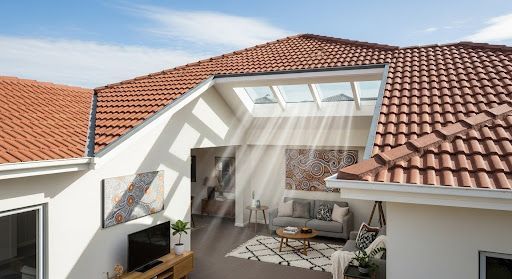
Get expert tips on choosing the right skylight for your Australian home with HK Roofing’s trusted installation and roofing services.
By Hans Mills November 3, 2025
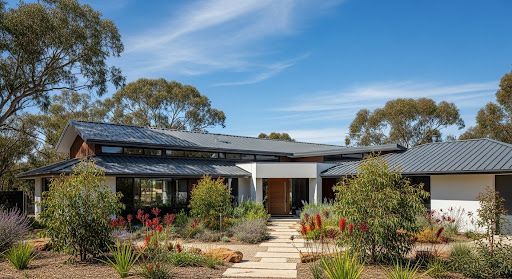
Metal roofing is now one of the most popular choices for modern buildings, as it is strong and long-lasting. A well-installed metal roof can easily last 30 to 40 years with minimal upkeep, making it a reliable option for homeowners. It is also energy efficient. By reflecting the sun’s heat, metal roofing helps keep rooms cooler inside, reduces the need for air conditioning, and lowers power bills. For more details on roofing materials and energy performance, visit the Australian Government’s Your Home guide . Once considered mainly for commercial or industrial buildings, metal roofing is now widely used in homes as well, thanks to its durability and modern appeal. Metal roofing is available in many designs, profiles, and colours, making it suitable for classic and modern homes. This guide explains the main types of metal roofing , including corrugated, Kliplok, standing seam, nailstrip, and interlocking panels. It also covers the key materials used: steel, aluminium, copper, and zinc, with expert guidance from HK Roofing to help homeowners choose the right fit for their needs. Types of Metal Roofing for Homes Traditional Corrugated Roofing Corrugated roofing is one of the most familiar styles, known for its rippled steel design. It has been popular for decades due to its affordability, ease of installation, and high reliability. Corrugated panels also give homes a classic look that suits traditional and modern designs. Modern Flat-Seam and Kliplok Systems Flat-seam and Kliplok panels bring a more modern touch to roofing. Unlike corrugated sheets, Kliplok systems utilise concealed fasteners to create a smooth, flat finish, making them an ideal choice for contemporary homes with lower-pitched roofs. Their interlocking design also improves wind resistance and reduces the chance of leaks, combining function with clean, simple style. Architectural Standing Seam, Nail-strip, and Interlocking Panels For homeowners wanting a stronger architectural look, standing seam, nail strip , and interlocking panels are popular choices. Standing seam roofing features raised vertical ribs that give a sharp, sleek appearance. Nailstrip offers a similar design but is quicker to install, while interlocking panels can be laid out horizontally, vertically, or diagonally for more design freedom. These styles are also available in various metals, including steel, aluminium, copper, and zinc, offering a range of choices for both appearance and performance. Comparing Types of Metal Roofing for Your Home
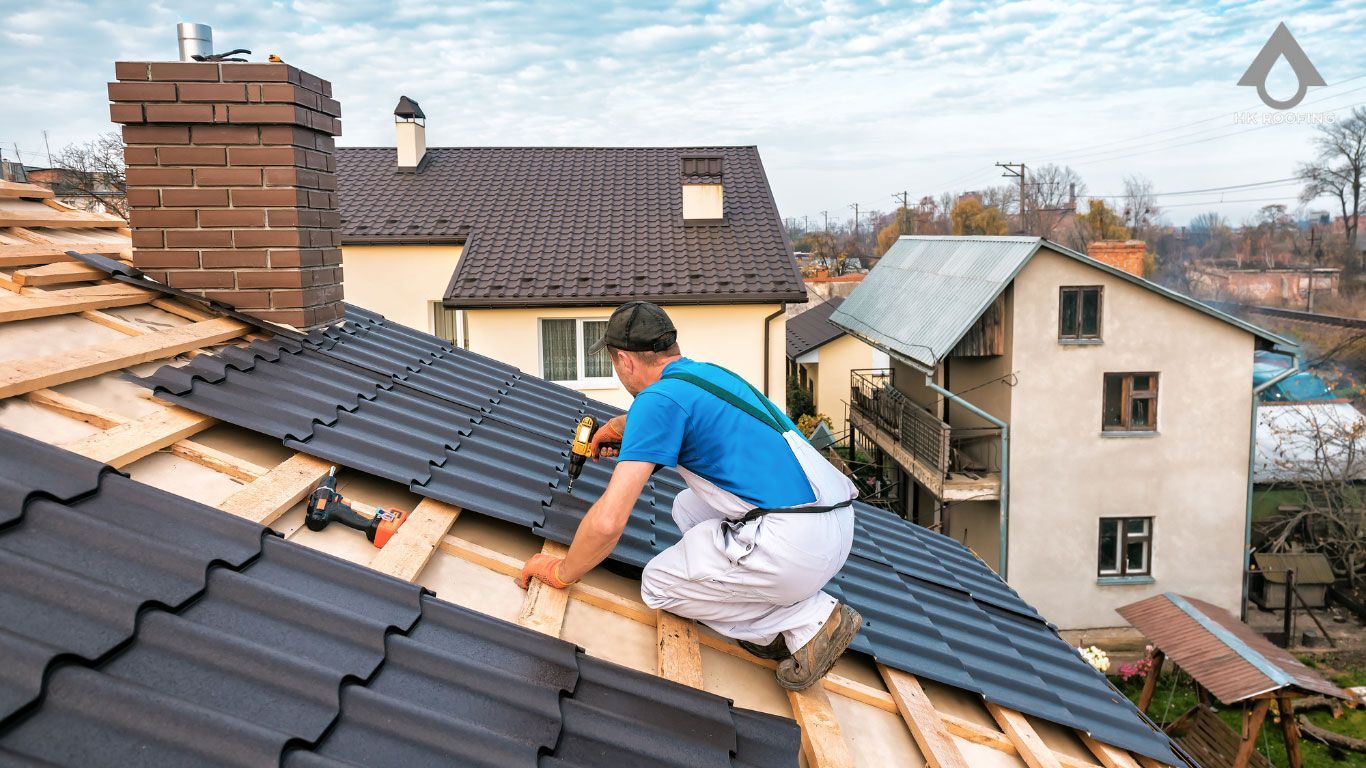
Roofer on a roof installing dark metal tiles with a power drill; houses in the background.
By HK Roofing February 5, 2025
Brighton, a vibrant coastal city, is known for its stunning architecture and diverse housing styles. As a result, the city boasts a variety of roofing systems, each with its unique features and benefits. In this comprehensive guide, we’ll delve into the most common roofing systems found in Brighton, their suitability for different climate conditions, and how to choose the right one for your home.
Close-up view of stacked corrugated metal roofing sheets in shades of gray.
By HK Roofing February 5, 2025
Building a safe home starts with a strong foundation, and in Prahran, that foundation begins with metal roofing services. As the lively city atmosphere meets suburban serenity, ensuring the security of your home is essential. While many focus on alarms and surveillance, one of the most effective ways to protect your property is often overlooked—your roof. Metal roofing offers unmatched durability, strength, and weather resistance, providing not only a secure shield from the elements but also an added layer of safety for your home. When it comes to safeguarding your sanctuary, it all begins with the right roof.
Modern bathroom with skylights, black bathtub, white sink, and dark gray wall.
By HK Roofing January 16, 2025
Are you looking to brighten up your Windsor home with natural light? Skylights can be a fantastic way to achieve this, but it’s crucial to ensure a professional installation to guarantee both aesthetics and functionality.
Technician on rooftop with solar panels, pointing at the sky during sunset.
By HK Roofing January 15, 2025
Re-roofing a property is a significant investment, particularly for real estate businesses in Melbourne. It’s not just about replacing old, worn-out tiles; it’s about enhancing the property’s value, improving its energy efficiency, and ensuring its longevity.
Show More