

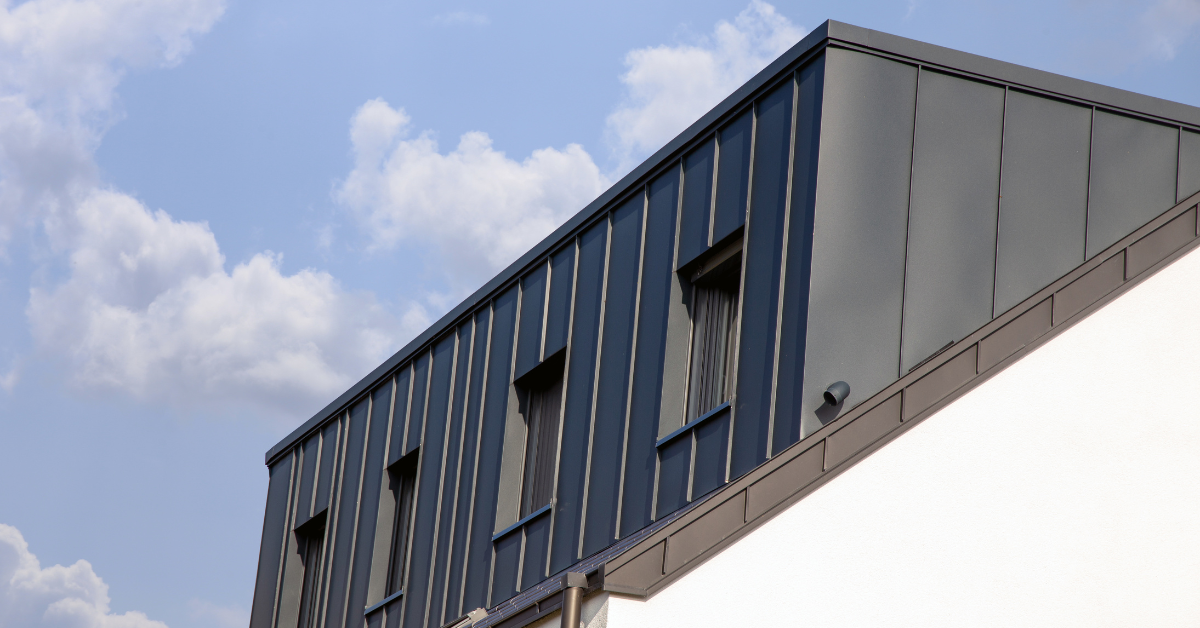
Standing seam cladding gives Melbourne homes a sleek, durable finish. HK Roofing covers materials, coastal performance and choosing the right system.
Discover 2026 roof replacement costs in Melbourne. Compare Colorbond, materials, and hidden expenses. Expert insights from HK Roofing specialists.
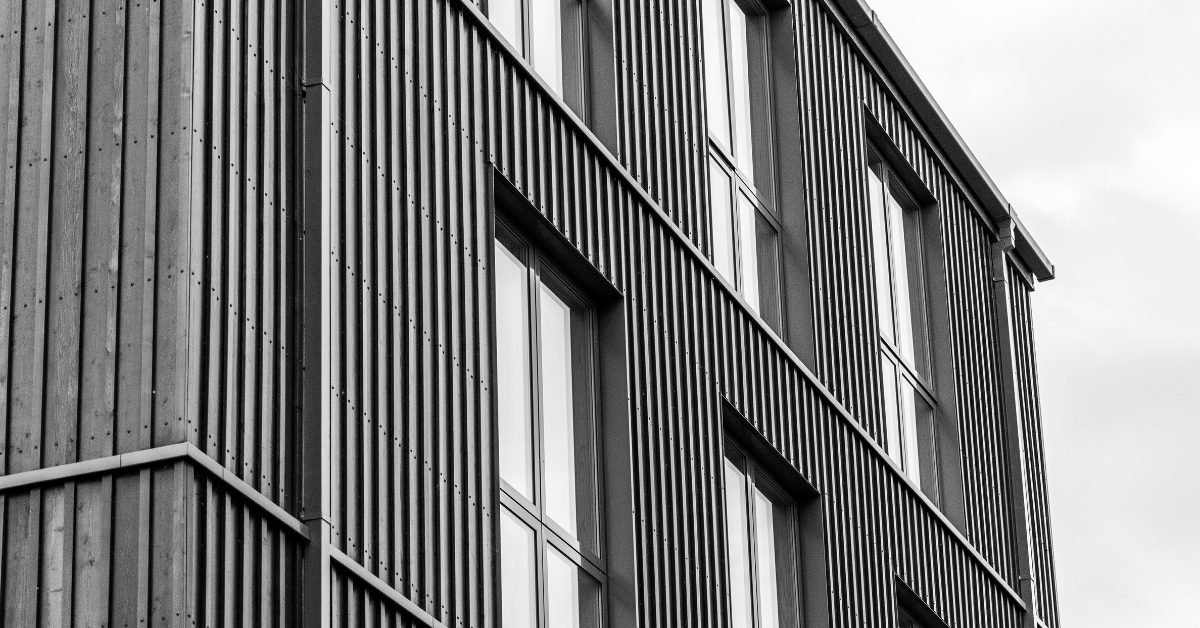
Wondering what is cladding and how it protects your home? HK Roofing explains types, benefits and costs of architectural metal cladding in Melbourne.
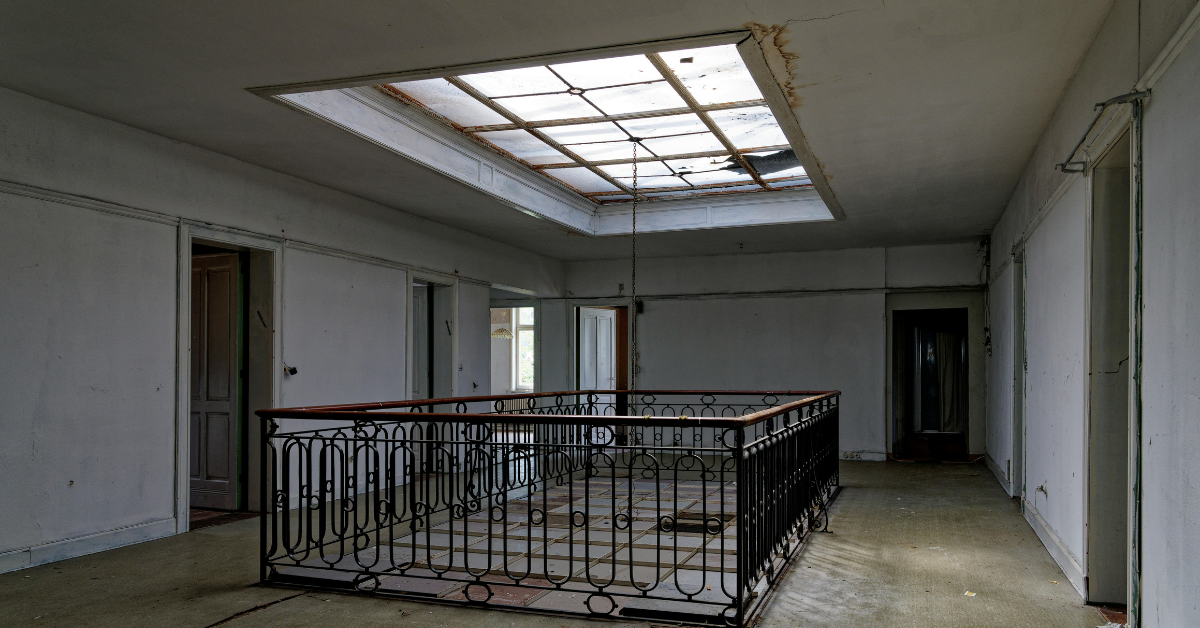
Learn safe skylight cleaning steps for Australian roofs, plus maintenance tips for glass and domes, energy efficiency, and when to call a licensed local roofer.
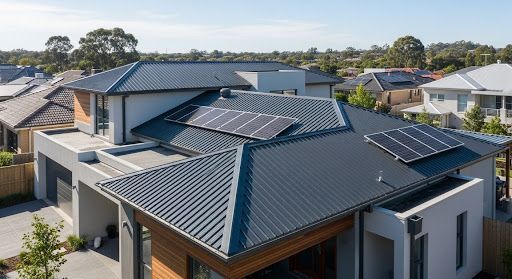
Protect your Melbourne home with expert HK Roofing repairs that solve roof leaks, structural stress, gutter issues and coastal corrosion for long-lasting performance.
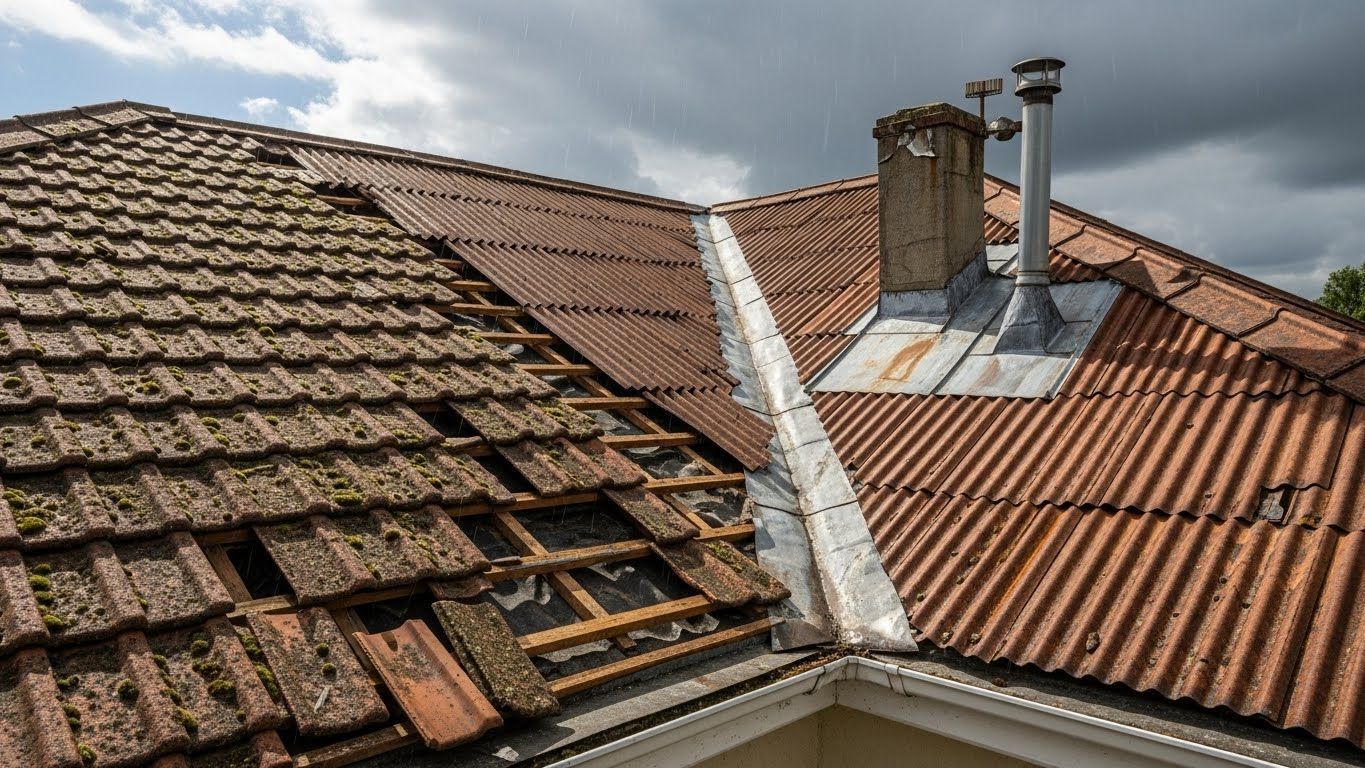
Roof leaks often start small and spread fast. Know the causes, warning signs, fixes, and when professional repair ensures long-term protection for your home.
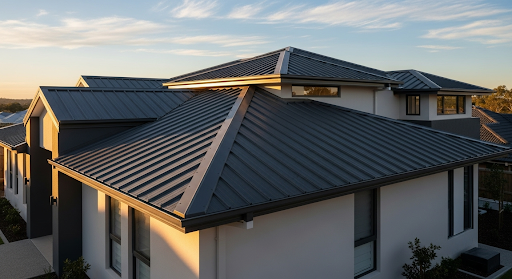
When a home renovation reaches the roofing stage, one of the biggest decisions homeowners face is whether to install roof cladding and which type to choose. It is an important question, as the roof is one of the first things people notice about a house. The right roof cladding can make a home look modern and polished while also providing lasting protection. It should be affordable, durable, and installed by licensed experts who deliver quality workmanship. With this in mind, HK Roofing has prepared this guide to help you select the suitable cladding for your location and budget. Drawing from years of roofing experience, this guide explains what roof cladding is and why it's essential for protecting your property. Understanding Roof Cladding and Its Role in Modern Homes Roof cladding is the outer layer placed over a roof structure to protect it from weather, heat, and moisture. While it defines how a home looks from the outside, its purpose goes much deeper than appearance. In modern construction, roof cladding acts as a strong protective shield and an important design element. High-quality cladding materials can improve insulation by up to 25%, helping regulate indoor temperatures and lower energy bills. According to Australian Building Codes Board (ABCB) data, well-insulated roofing systems can reduce household energy consumption for heating and cooling by 15–30% annually. Durable materials are tested to resist corrosion for over 30 years under Australian climate conditions. Many systems also integrate with insulation and ventilation layers to control condensation and maintain year-round indoor comfort. Upgrading or replacing old cladding can increase a home’s value by up to 10%. This makes roof cladding one of the most practical long-term investments for homeowners. Types of Roof Cladding Materials
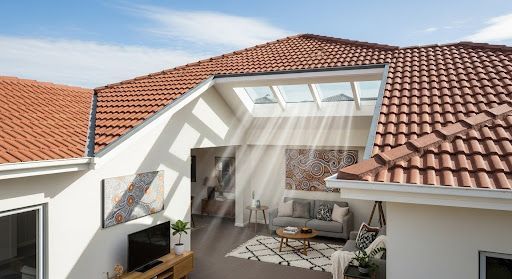
Get expert tips on choosing the right skylight for your Australian home with HK Roofing’s trusted installation and roofing services.
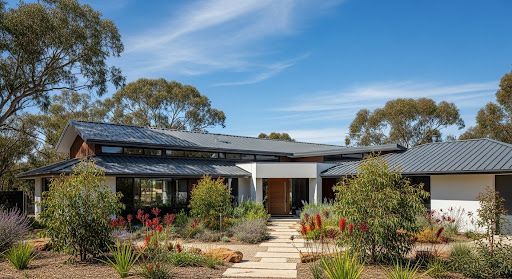
Metal roofing is now one of the most popular choices for modern buildings, as it is strong and long-lasting. A well-installed metal roof can easily last 30 to 40 years with minimal upkeep, making it a reliable option for homeowners. It is also energy efficient. By reflecting the sun’s heat, metal roofing helps keep rooms cooler inside, reduces the need for air conditioning, and lowers power bills. For more details on roofing materials and energy performance, visit the Australian Government’s Your Home guide . Once considered mainly for commercial or industrial buildings, metal roofing is now widely used in homes as well, thanks to its durability and modern appeal. Metal roofing is available in many designs, profiles, and colours, making it suitable for classic and modern homes. This guide explains the main types of metal roofing , including corrugated, Kliplok, standing seam, nailstrip, and interlocking panels. It also covers the key materials used: steel, aluminium, copper, and zinc, with expert guidance from HK Roofing to help homeowners choose the right fit for their needs. Types of Metal Roofing for Homes Traditional Corrugated Roofing Corrugated roofing is one of the most familiar styles, known for its rippled steel design. It has been popular for decades due to its affordability, ease of installation, and high reliability. Corrugated panels also give homes a classic look that suits traditional and modern designs. Modern Flat-Seam and Kliplok Systems Flat-seam and Kliplok panels bring a more modern touch to roofing. Unlike corrugated sheets, Kliplok systems utilise concealed fasteners to create a smooth, flat finish, making them an ideal choice for contemporary homes with lower-pitched roofs. Their interlocking design also improves wind resistance and reduces the chance of leaks, combining function with clean, simple style. Architectural Standing Seam, Nail-strip, and Interlocking Panels For homeowners wanting a stronger architectural look, standing seam, nail strip , and interlocking panels are popular choices. Standing seam roofing features raised vertical ribs that give a sharp, sleek appearance. Nailstrip offers a similar design but is quicker to install, while interlocking panels can be laid out horizontally, vertically, or diagonally for more design freedom. These styles are also available in various metals, including steel, aluminium, copper, and zinc, offering a range of choices for both appearance and performance. Comparing Types of Metal Roofing for Your Home
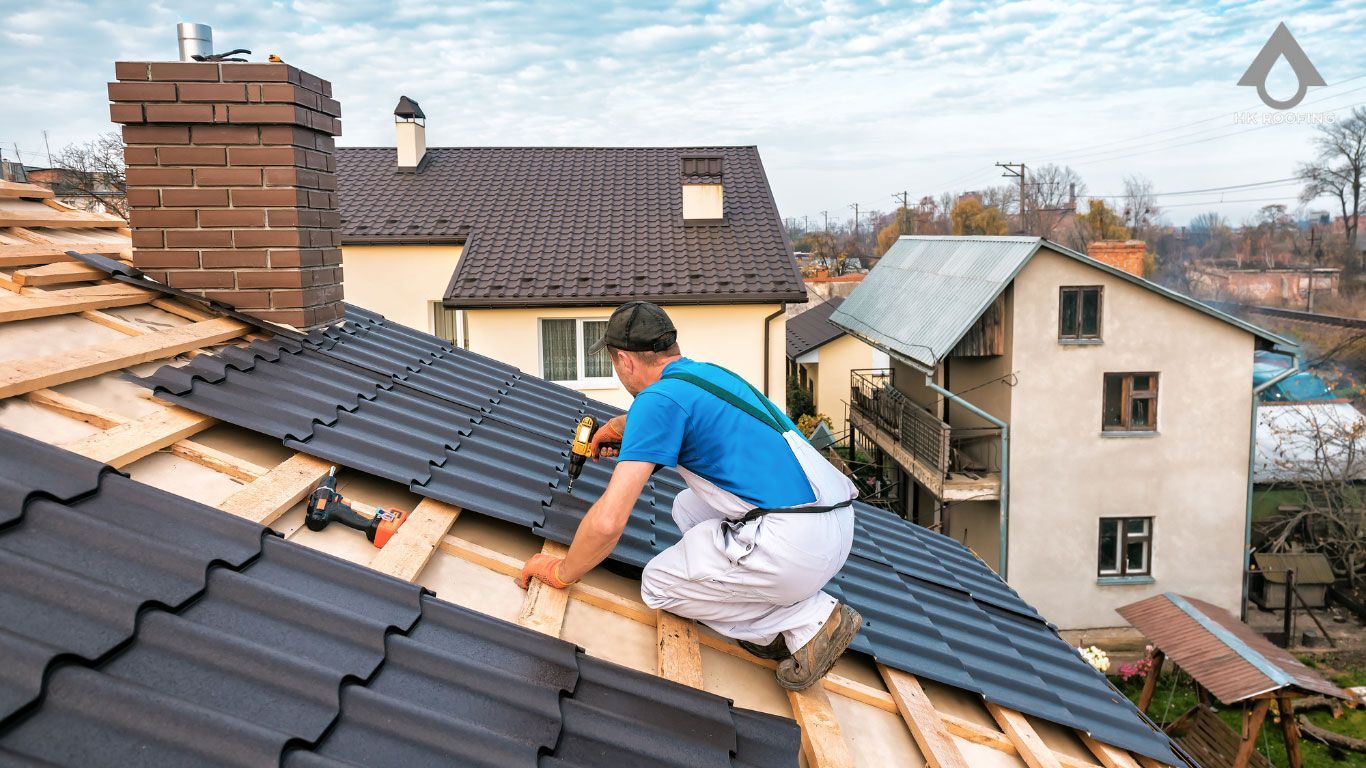
Brighton, a vibrant coastal city, is known for its stunning architecture and diverse housing styles. As a result, the city boasts a variety of roofing systems, each with its unique features and benefits. In this comprehensive guide, we’ll delve into the most common roofing systems found in Brighton, their suitability for different climate conditions, and how to choose the right one for your home.