
Roof Replacement Cost in Melbourne: A Complete 2026 Pricing Guide
You plan a renovation, only to discover your roof needs replacing. Three quotes arrive, varying by tens of thousands of dollars, and none of the contractors can clearly explain why. This scenario plays out across Melbourne every week, leaving homeowners and builders unsure of who to trust.
Understanding roof replacement cost in 2026 takes more than plugging numbers into an online calculator. It requires insight into materials, labour, site conditions, and the difference between corner-cutting contractors and architectural specialists. The cheapest quote rarely delivers the longest-lasting result, and poor craftsmanship costs more in the long run.
This pricing guide breaks down what Melbourne property owners can genuinely expect to pay for quality roofing work in 2026. You will learn how materials shape pricing, what hidden expenses to plan for, and how to evaluate contractors. Whether you own a coastal home in Brighton, a period property in Toorak, or a modern build in Hampton, this guide will help you invest wisely in protecting and enhancing your property.
Why Roof Replacement Costs Vary Across Melbourne
Replacing a roof is one of the most significant investments you will make in your property. Yet pricing across Melbourne can swing from $90 to $250 per square metre, depending on factors most homeowners never consider.
Material choice is the biggest variable. According to Australian industry data for 2026, reroofing typically costs between $40 and $500 per square metre installed, with Colorbond sitting in the mid-range and slate at the premium end. Materials alone account for roughly 40 to 50 percent of your total budget.
Labour follows closely. Melbourne's skilled roofing trades command higher rates than regional Victoria, particularly in tight inner suburbs like Windsor, Armadale, and South Yarra where access is restricted. Two-storey homes, steep pitches, and properties with limited truck access drive labour time up significantly.
Why Quality Outweighs Headline Price
The hidden costs of cutting corners usually surface within five years. Cheap fasteners corrode in coastal air. Poor flashings leak after the first heavy storm. Mismatched ridge capping ruins the visual line of an architectural build. By the time these issues become obvious, you are paying twice.
A meticulous installation protects your property for decades. Melbourne's climate places real demands on roofing, including hot summer sun, driving winter rain, salt-laden coastal air, and occasional hail. Bayside suburbs face particularly aggressive marine conditions, while inner-city homes contend with restricted access and heritage considerations. Choosing materials suited to these challenges, then installing them with care, separates a quality roof replacement from an expensive disappointment.
Average Roof Replacement Cost in Melbourne for 2026

So what should you actually pay? Most Melbourne homeowners can expect to invest between $110 and $180 per square metre for a standard roof replacement in 2026. For metal and Colorbond roof replacement specifically, including removal of the existing roof, pricing typically runs between $120 and $250 per square metre.
For an average Melbourne home with 150 to 250 square metres of roof area, total project costs generally land between $18,000 and $45,000. Larger homes and architecturally complex roofs can push this figure higher, particularly in established suburbs like Toorak and Camberwell.
Breaking Down the Cost Components
A transparent quote usually splits across four main components:
- Materials: 40 to 50 percent of total budget
- Labour and installation: 35 to 45 percent of total budget
- Old roof removal and disposal: $30 to $50 per square metre
- Permits, scaffolding, and access equipment: $1,000 to $5,000 depending on the project
Using a Roof Replacement Cost Calculator
A roof replacement cost calculator Australia tool can give you a ballpark figure, but online calculators rarely account for site-specific factors. The square metre figure on any quote should reflect the true sloped surface area of your roof, not the floor plan footprint.
Roof pitch and overhangs can add 15 to 40 percent to the area you are paying to cover. A "cheap" per-square-metre rate from a contractor who measures the footprint often ends up costing more than a fair rate based on accurate measurements. Accurate budgeting requires an on-site assessment from someone who understands the diversity of Melbourne properties.
Roofing Materials and What They Cost
Colorbond Steel
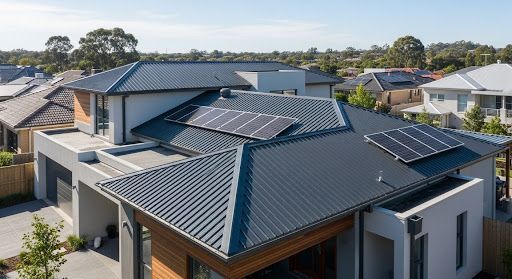
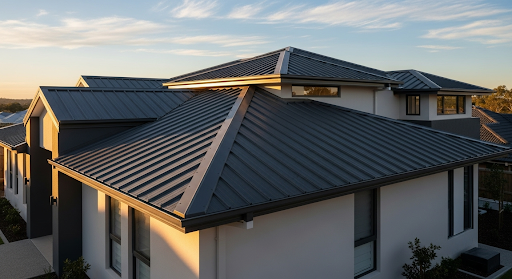
Colorbond is the most popular choice across Melbourne. Pricing typically runs $80 to $180 per square metre installed, with material costs alone around $65 to $90 per square metre. Benefits include:
- 50-year track record in Australian conditions
- Over 20 colour options including premium Matt finishes
- Lightweight, reducing structural load on existing frames
- Resistant to fire, rot, and termite damage
- Excellent thermal performance with Thermatech solar reflectance
For coastal Bayside properties, BlueScope produces Colorbond Ultra steel specifically engineered for severe marine environments within 100 to 200 metres of breaking surf. This makes it the right choice for homes in Brighton, Sandringham, and Hampton.
Zincalume Steel
A more budget-conscious metal option, Zincalume offers similar durability to Colorbond without the coloured finish. Pricing sits slightly below Colorbond, suiting sheds, secondary buildings, or projects where a natural metallic finish complements the design.
Copper Cladding
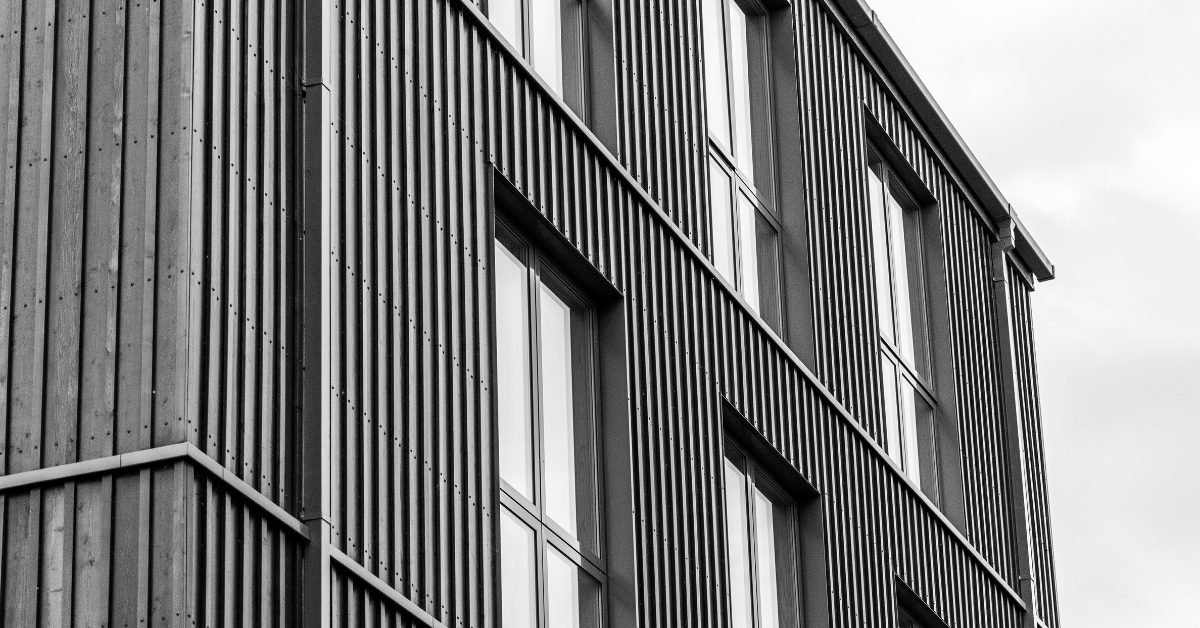
For prestigious architectural projects where appearance is paramount, copper offers a striking finish that develops a beautiful patina over decades. Investment runs significantly higher than steel options but delivers a lifespan exceeding 100 years. Copper pairs beautifully with modern architectural cladding for high-end residential builds.
Concrete and Terracotta Tiles
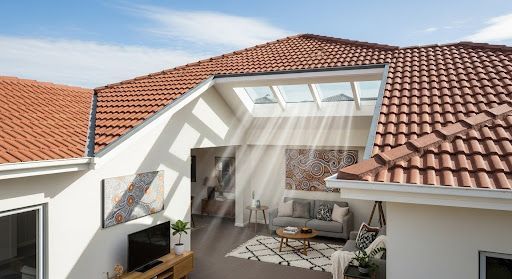
Traditional tile reroofing costs $100 to $220 per square metre. Tiles add considerable structural weight and require more frequent maintenance. Many Melbourne owners now choose to replace tile roofs with Colorbond during renovation. For deeper guidance on material selection, read this guide to cladding types, benefits, and costs.
Hidden Costs That Catch Property Owners Off Guard
The headline per-square-metre rate rarely tells the whole story. Several additional costs can add thousands to your final invoice.
Asbestos Removal
Many Melbourne homes built before 1990 still have asbestos cement roofing. Removal must be carried out by licensed professionals in line with WorkSafe Victoria and EPA requirements. Expect to add $50 to $80 per square metre, or roughly $4,000 to $12,000 to your total project cost.
Structural Repairs
Once the old roof comes off, damaged rafters, battens, or trusses may need replacement before new roofing can go on. Budget an additional $1,500 to $5,000 for unexpected structural work.
Complex Roof Geometry and Integrations
Multiple valleys, hips, dormers, and steep pitches above 25 degrees increase labour time and safety equipment needs. Architectural builds can attract a premium of $2,000 to $8,000 over a simple gable. Roof replacement is also the ideal time to upgrade insulation, integrate premium skylights, or prepare for solar panels, avoiding costly retrofits later.
The True Cost of Choosing the Wrong Contractor
Selecting on price alone is the most expensive mistake Melbourne homeowners make. A contractor who quotes 30 percent below market either uses inferior materials, employs inexperienced labour, or plans to cut corners on flashings, fasteners, and underlay.
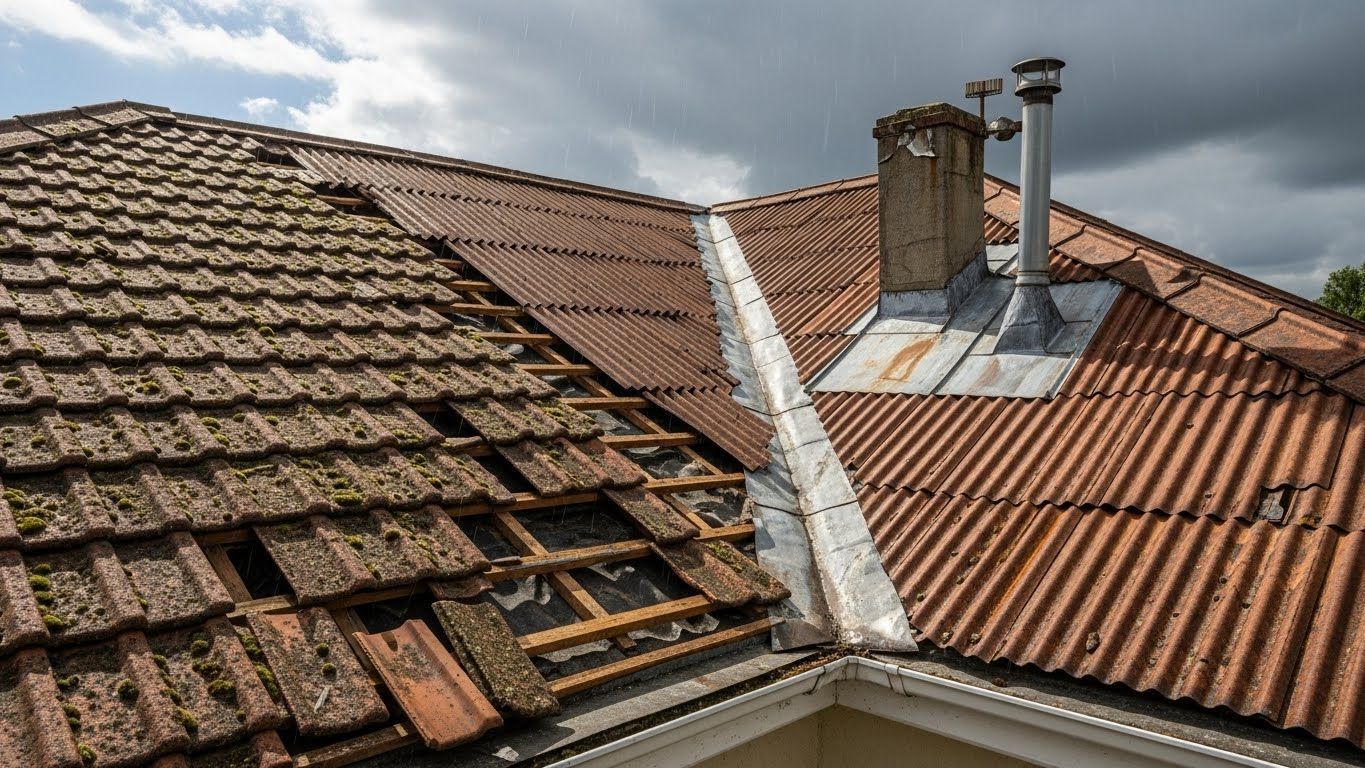
Premature failure is the biggest hidden cost. A roof installed poorly may begin leaking within two years. The associated damage to insulation, plaster, and finishes often costs more than the original installation. In severe cases, complete replacement becomes necessary within a decade, doubling your effective spend.
Aesthetic compromises also hurt property value in established suburbs. A misaligned ridge cap or visible fixing pattern can spoil the look of a modern build or a period restoration in Armadale. Buyers notice these details, and so do appraisers. Corner-cutting contractors tend to skip critical steps like proper underlay and correct fastener spacing, which determine whether your roof performs for 10 years or 50.
Best Practices for Melbourne Property Owners
Get Three Detailed, Itemised Quotes
Each quote should itemise materials, labour, removal, disposal, and warranties. If a quote lacks detail, ask for it. Vague pricing leaves room for surprises later.
Verify Credentials and Local Experience
Confirm the contractor holds appropriate licensing, insurance, and asbestos handling certification where relevant. Ask for examples of recent projects in your suburb. A specialist who has worked extensively in your area understands council requirements, heritage overlays, and local climate demands.
Match Materials to Your Property and Climate
Coastal Bayside homes need marine-grade specifications and corrosion-resistant fasteners. Modern architectural builds benefit from premium Matt finishes and integrated cladding. Period homes call for materials that respect original character.
The National Construction Code, maintained by the Australian Building Codes Board, sets minimum performance standards including condensation management and energy efficiency that quality contractors will meet or exceed.
Warning Signs You Need a Specialist
- Multiple roof shapes, valleys, or curves
- Heritage overlays or council restrictions
- Coastal location within 5 kilometres of the bay
- Passive house or high-performance building requirements
- Integration with cladding, skylights, or solar systems
The HK Roofing Approach
HK Roofing brings 25 years of combined experience to every Melbourne project. Founded by Hans and Kevin, Kiwi specialists who blend New Zealand precision with Australian building standards, the team focuses exclusively on architectural metal roofing, cladding, and skylights.
The process begins with a detailed project submission and on-site assessment. You then receive a custom, transparent quote with no hidden line items. Once scheduled, installation proceeds on time and on budget, finishing with a satisfaction guarantee that reflects the family-business commitment to quality.
What separates the team from standard contractors is the architectural eye applied to every project. Premium materials from trusted suppliers, meticulous flashings, and design collaboration with architects and builders deliver results that protect your property while enhancing its aesthetic appeal. Based in Windsor and serving all Melbourne, HK Roofing carries a 4.9-star rating across coastal, period, modern, and commercial projects.
Frequently Asked Questions
How long does a roof replacement take in Melbourne?
Most residential roof replacements take five to ten working days, depending on roof size, complexity, and weather. Larger architectural projects or properties requiring structural repairs may extend to three weeks. A reputable contractor will provide a clear schedule before work begins.
Is Colorbond worth the extra cost over Zincalume?
For most homeowners, yes. Colorbond's painted finish offers superior aesthetic appeal, better solar reflectance through Thermatech technology, and over 20 colour options. Zincalume suits utilitarian applications or contemporary designs where a natural metallic finish is preferred, but Colorbond delivers stronger long-term value and resale appeal.
Can I replace my tile roof with Colorbond?
Absolutely, and many Melbourne homeowners do. Colorbond weighs around one-tenth as much as concrete tiles, reducing structural stress. A qualified installer will verify your existing structure suits the change and address any required upgrades during the project.
Are permits required for roof replacement in Victoria?
Like-for-like replacement typically does not require a building permit, though council notification may be needed in heritage overlay zones. Changing roof material, pitch, or profile may require approval. Your contractor should confirm permit requirements upfront and handle the paperwork where needed.
What is the lifespan of a metal roof in Melbourne?
A quality Colorbond roof installed properly should last 40 to 50 years in standard Melbourne conditions, with many installations exceeding this lifespan. Coastal properties using Colorbond Ultra and marine-grade fasteners achieve similar longevity even close to the bay.
Can roof replacement improve energy efficiency?
Yes. Modern materials with solar-reflective finishes, combined with proper insulation and ventilation, significantly improve thermal performance. Sustainability Victoria's energy efficiency resources offer guidance on building upgrades, and reroofing is the ideal time to address these improvements alongside material replacement.
How do I know if I need a full replacement or just restoration?
Restoration suits roofs that are structurally sound but show surface wear. Full replacement becomes necessary when there is widespread rust, multiple persistent leaks, cracked tiles across large areas, or significant structural damage. An honest specialist will tell you which option suits your roof rather than upselling unnecessary work.
Protecting Your Property Investment
A roof does more than block weather. It defines the architectural character of your home, protects your most valuable asset, and influences the comfort of every room beneath it. Understanding the true roof replacement cost for your Melbourne property is the first step toward a confident, well-informed decision.
Quality craftsmanship, premium materials, and meticulous attention to detail deliver decades of trouble-free performance. Corner-cutting delivers years of regret. The difference in upfront investment is usually modest; the long-term difference is profound.
For a custom quote tailored to your Melbourne property, call HK Roofing on 0435 875 877 or get in touch online. Whether you own a coastal home in Hampton, an architectural build in Toorak, or a commercial property in need of large-scale metal roofing, expert craftsmanship will protect and enhance your investment for decades to come.