
Why Roof Leaks Start and How You Can Avoid Them

Brandon Caspersz • January 27, 2026

Your roof works quietly every day, protecting your home from heat, rain, and harsh weather. It performs so reliably that most people only notice a problem once water starts entering the house. One Australian report shows that about 40% of homeowners skip regular roof maintenance, increasing the chance that small issues eventually turn into leaks.


HK Roofing understands how these problems form and how to stop them before they cause major damage. This article explains why roofs start to leak, the quick fixes you can handle yourself, when you should call a professional and how our team can provide a long-term, reliable repair.


Main Causes of a Roof Leak

Damaged or Aged Roofing Materials

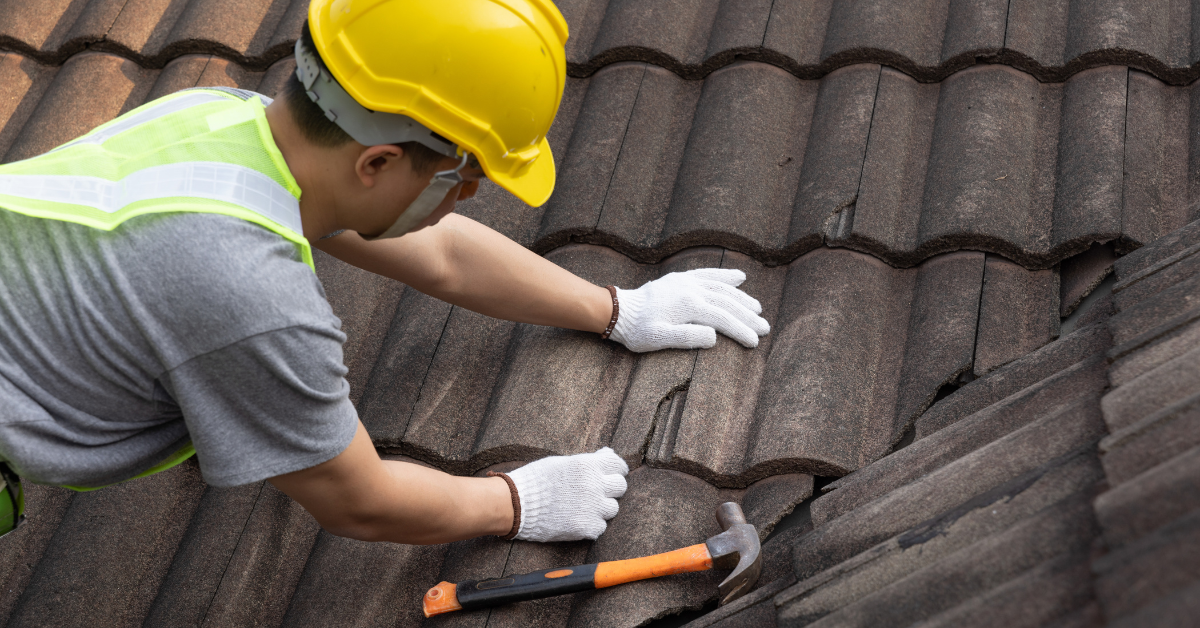
Water usually enters through the roofing sheets or the tiles. This means things like cracked tiles or rusted areas of your Colorbond roof. Every roof degrades over time, especially under Australia's harsh UV rays and extreme temperature swings.


Failed Flashings and Seals

Flashing is the metal sheeting that seals joints around chimneys, skylights, and where roof sections meet in valleys. These are huge leak risk spots. Failure occurs when the flashing rusts, lifts, or cracks, allowing water to run straight into your ceiling cavity.


Clogged Gutters and Drainage Issues

If your gutters and downpipes are full of leaves and muck, the water isn’t able to drain correctly. This causes water to back up under the roof's edge or overflow straight onto your walls and eaves. Box gutters, especially, tend to leak severely when they aren’t maintained.


Design or Installation Flaws

Sometimes the problem is built in. Leaks can start from a design flaw like a flat roof that causes water to sit (ponding), or from simple errors in the install, such as a missing waterproof seal or incorrect overlapping of materials.


Extreme Weather Stress

Certain weather conditions can break down your roof fast. Strong cyclones, constant coastal rain, and salt-laden sea air all accelerate damage, turning minor weak points into major leaks.


How to Detect a Roof Leak Before It Spreads


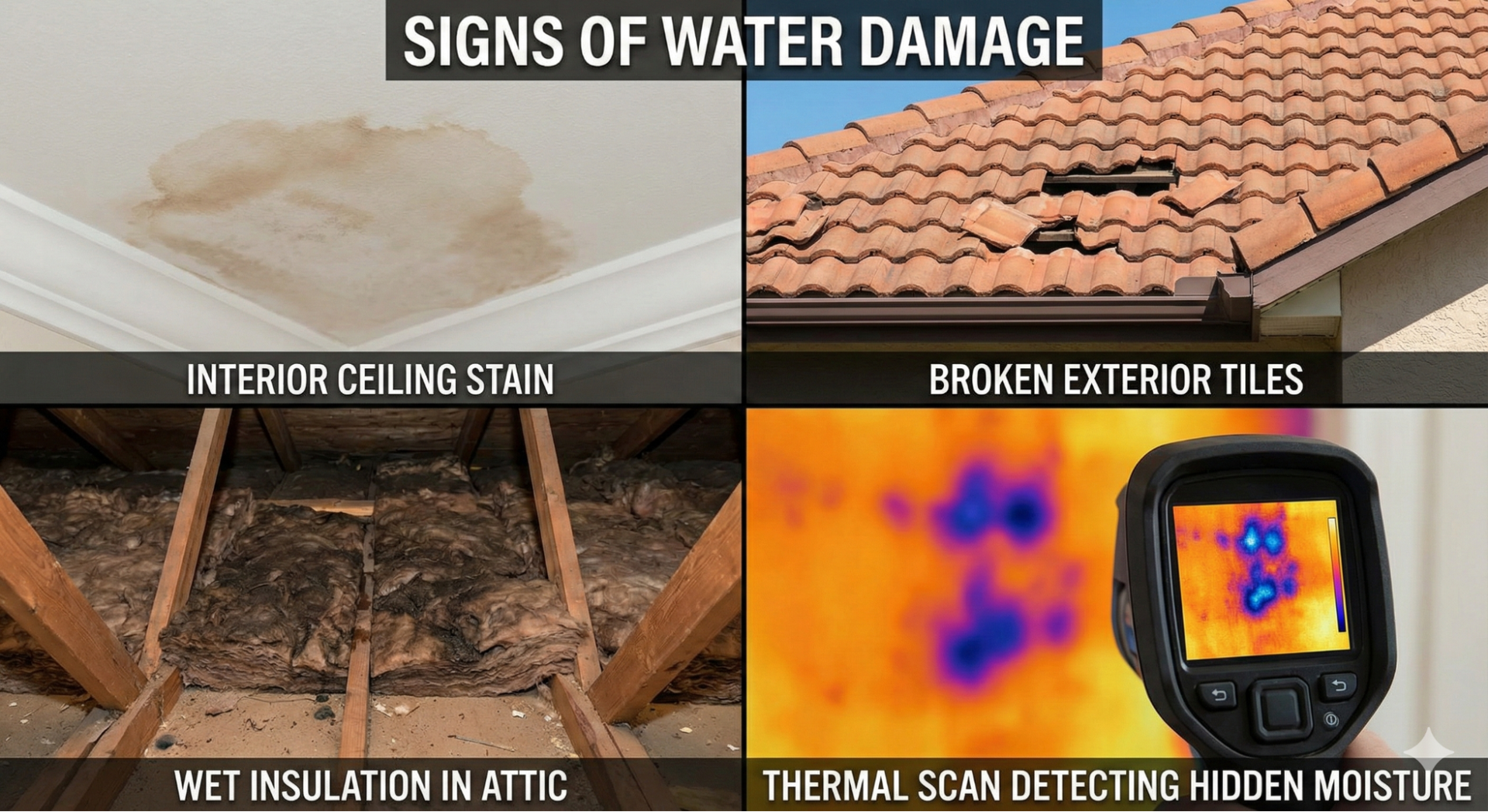
Inspection Area What to Look For What It Means
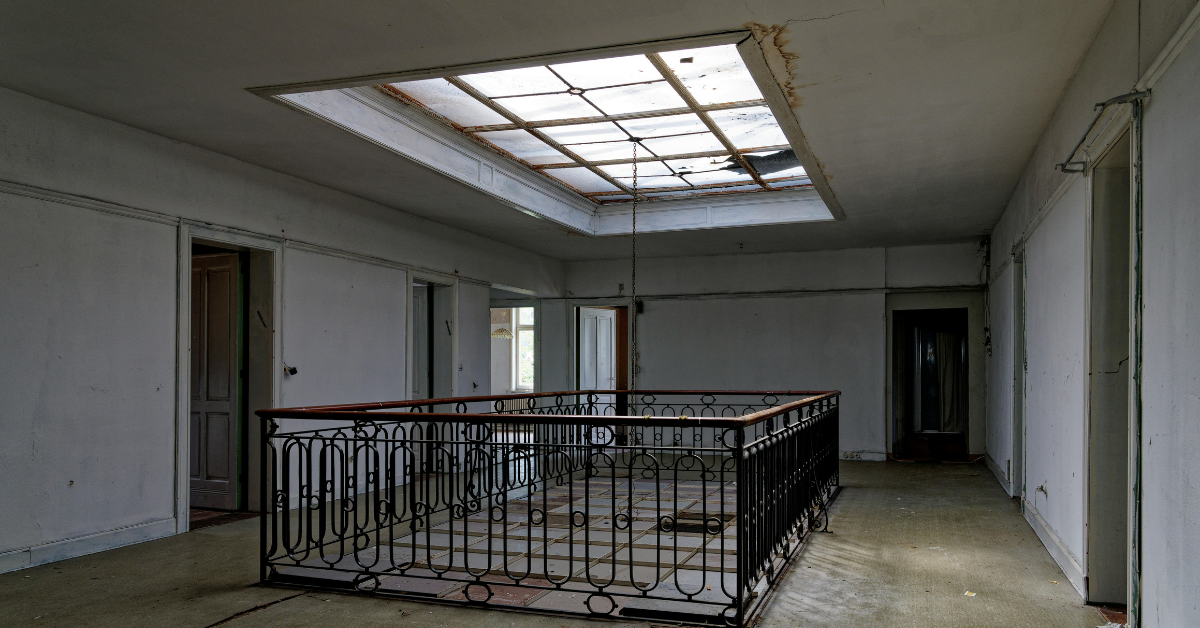
Inside the Home Brown stains on ceilings, sagging plaster, bubbling paint, musty smells Water is getting into the ceiling or walls.
Outside the Home Broken or missing tiles, rust on metal sheets, flashing that looks lifted or cracked The main waterproof layer is damaged and letting water in.
Attic / Roof Cavity Wet insulation, water marks on rafters, small beams of light coming through the roof Clear signs of a leak, and the source is likely close by.
Using Technology High moisture readings, cold spots on an infrared scan Helps locate hidden leaks in walls or flat roof areas.

What to Do When You Find a Roof Leak

Category What to Do / What It Means Notes / Typical Cost
Contain the Damage Place buckets under drips, move valuables, use a tarp or roofing tape if safe Temporary protection until repairs
Temporary Fixes Sealants or waterproof tape to slow leaks Short-term only; not a permanent repair
Permanent Fixes Replace cracked tiles, rusted sheets, failed flashings; repoint loose ridge capping Required for long-term stability
Hiring Professionals Licensed roof plumbers handle major repairs and ensure compliance with the Building Code of Australia Meets standards such as AS 1562.1 and AS/NZS 3500.3
Minor Repairs Cost Small leak fixes or tile replacements $300 – $1,000
Roof Restoration Cost Cleaning, repairs and resealing $2,500 – $11,000
Metal Roofing Replacement Cost Full replacement depending on pitch and material grade $10,000 – $23,000

How to Prevent Roof Leak

Routine Inspections: Do two inspections a year at least, specially while raining and after the rainy season or after heavy storms.


Gutter Cleaning and Guards: Gutters should be cleaned every half a year. In areas with a lot of trees, put up gutter guards or screens made of mesh.


Sealant and Flashing Maintenance: Every few years, re-seal flashings around roof penetrations using high-quality, UV-resistant materials.


Vegetation Control: Cut back branches that are hanging over and that either drop debris or scrape roofs during wind.


Moss and Debris Removal: Remove moss or organic growth that keeps moisture. You can use pressure cleaning or zinc/moss treatment strips for removal.


When to Call the Experts

Some leaks can be handled on your own, but when water keeps returning or appears near chimneys or roof valleys, it’s a sign you need a professional. In most parts of Australia, only licensed roof plumbers can carry out these repairs because they follow the required standards and their work is covered by insurance. A proper inspection should include moisture checks, a look at the roof structure and a clear quote, so checking reviews and past work is always worth it. HK Roofing is Melbourne-based and offers full leak-repair services, known for reliable work, clear communication and consistent project delivery across the region.


Conclusion

A roof leak isn’t just an inconvenience; it’s a sign that something inside the structure needs attention. Understanding how leaks form, what early warning signs look like, and when to call a professional helps prevent bigger damage and unnecessary costs. Small issues like worn tiles, loose flashings or blocked gutters can escalate quickly, especially in Australia’s harsh weather, so clear inspection and timely repairs make all the difference.

If a leak is already showing or you’re unsure where the problem is coming from, HK Roofing can provide a detailed inspection and a reliable repair plan that fits your home’s needs. With licensed specialists, proven leak-repair experience and Melbourne-based support, the team can help you restore your roof before the damage spreads.

roof repair melbourne
By Brandon Caspersz February 10, 2026
Protect your Melbourne home with expert HK Roofing repairs that solve roof leaks, structural stress, gutter issues and coastal corrosion for long-lasting performance.
By Brandon Caspersz January 27, 2026
Beat roof heat with reflective membranes, floating metal systems, and thermal spacers that cut energy costs, extend roof life, and keep buildings compliant with HK Roofing expertise.
By Brandon Caspersz November 10, 2025
When a home renovation reaches the roofing stage, one of the biggest decisions homeowners face is whether to install roof cladding and which type to choose. It is an important question, as the roof is one of the first things people notice about a house. The right roof cladding can make a home look modern and polished while also providing lasting protection. It should be affordable, durable, and installed by licensed experts who deliver quality workmanship. With this in mind, HK Roofing has prepared this guide to help you select the suitable cladding for your location and budget. Drawing from years of roofing experience, this guide explains what roof cladding is and why it's essential for protecting your property. Understanding Roof Cladding and Its Role in Modern Homes Roof cladding is the outer layer placed over a roof structure to protect it from weather, heat, and moisture. While it defines how a home looks from the outside, its purpose goes much deeper than appearance. In modern construction, roof cladding acts as a strong protective shield and an important design element. High-quality cladding materials can improve insulation by up to 25%, helping regulate indoor temperatures and lower energy bills. According to Australian Building Codes Board (ABCB) data, well-insulated roofing systems can reduce household energy consumption for heating and cooling by 15–30% annually. Durable materials are tested to resist corrosion for over 30 years under Australian climate conditions. Many systems also integrate with insulation and ventilation layers to control condensation and maintain year-round indoor comfort. Upgrading or replacing old cladding can increase a home’s value by up to 10%. This makes roof cladding one of the most practical long-term investments for homeowners. Types of Roof Cladding Materials
By Brandon Caspersz November 6, 2025
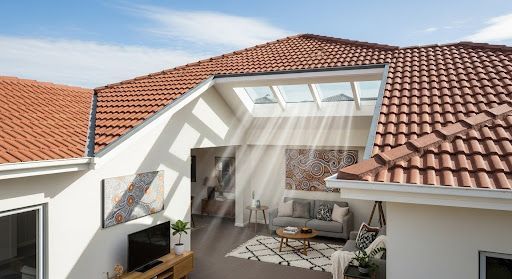
Get expert tips on choosing the right skylight for your Australian home with HK Roofing’s trusted installation and roofing services.
By Hans Mills November 3, 2025
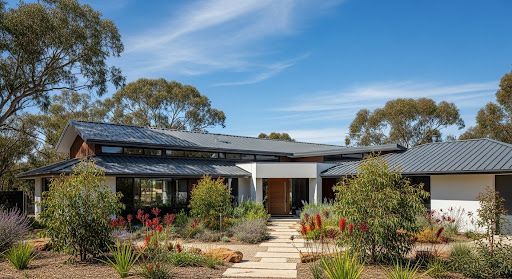
Metal roofing is now one of the most popular choices for modern buildings, as it is strong and long-lasting. A well-installed metal roof can easily last 30 to 40 years with minimal upkeep, making it a reliable option for homeowners. It is also energy efficient. By reflecting the sun’s heat, metal roofing helps keep rooms cooler inside, reduces the need for air conditioning, and lowers power bills. For more details on roofing materials and energy performance, visit the Australian Government’s Your Home guide . Once considered mainly for commercial or industrial buildings, metal roofing is now widely used in homes as well, thanks to its durability and modern appeal. Metal roofing is available in many designs, profiles, and colours, making it suitable for classic and modern homes. This guide explains the main types of metal roofing , including corrugated, Kliplok, standing seam, nailstrip, and interlocking panels. It also covers the key materials used: steel, aluminium, copper, and zinc, with expert guidance from HK Roofing to help homeowners choose the right fit for their needs. Types of Metal Roofing for Homes Traditional Corrugated Roofing Corrugated roofing is one of the most familiar styles, known for its rippled steel design. It has been popular for decades due to its affordability, ease of installation, and high reliability. Corrugated panels also give homes a classic look that suits traditional and modern designs. Modern Flat-Seam and Kliplok Systems Flat-seam and Kliplok panels bring a more modern touch to roofing. Unlike corrugated sheets, Kliplok systems utilise concealed fasteners to create a smooth, flat finish, making them an ideal choice for contemporary homes with lower-pitched roofs. Their interlocking design also improves wind resistance and reduces the chance of leaks, combining function with clean, simple style. Architectural Standing Seam, Nail-strip, and Interlocking Panels For homeowners wanting a stronger architectural look, standing seam, nail strip , and interlocking panels are popular choices. Standing seam roofing features raised vertical ribs that give a sharp, sleek appearance. Nailstrip offers a similar design but is quicker to install, while interlocking panels can be laid out horizontally, vertically, or diagonally for more design freedom. These styles are also available in various metals, including steel, aluminium, copper, and zinc, offering a range of choices for both appearance and performance. Comparing Types of Metal Roofing for Your Home
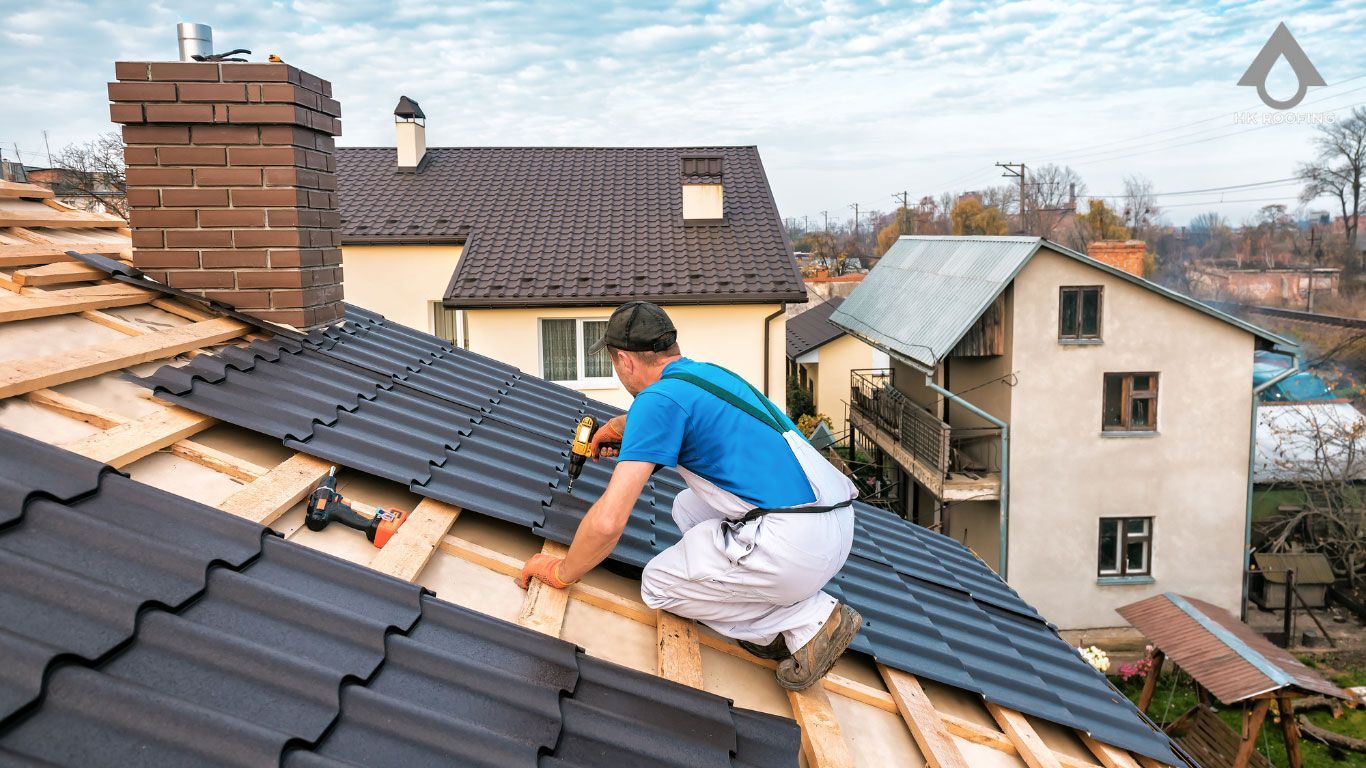
Roofer on a roof installing dark metal tiles with a power drill; houses in the background.
By HK Roofing February 5, 2025
Brighton, a vibrant coastal city, is known for its stunning architecture and diverse housing styles. As a result, the city boasts a variety of roofing systems, each with its unique features and benefits. In this comprehensive guide, we’ll delve into the most common roofing systems found in Brighton, their suitability for different climate conditions, and how to choose the right one for your home.
Close-up view of stacked corrugated metal roofing sheets in shades of gray.
By HK Roofing February 5, 2025
Building a safe home starts with a strong foundation, and in Prahran, that foundation begins with metal roofing services. As the lively city atmosphere meets suburban serenity, ensuring the security of your home is essential. While many focus on alarms and surveillance, one of the most effective ways to protect your property is often overlooked—your roof. Metal roofing offers unmatched durability, strength, and weather resistance, providing not only a secure shield from the elements but also an added layer of safety for your home. When it comes to safeguarding your sanctuary, it all begins with the right roof.
Modern bathroom with skylights, black bathtub, white sink, and dark gray wall.
By HK Roofing January 16, 2025
Are you looking to brighten up your Windsor home with natural light? Skylights can be a fantastic way to achieve this, but it’s crucial to ensure a professional installation to guarantee both aesthetics and functionality.
Technician on rooftop with solar panels, pointing at the sky during sunset.
By HK Roofing January 15, 2025
Re-roofing a property is a significant investment, particularly for real estate businesses in Melbourne. It’s not just about replacing old, worn-out tiles; it’s about enhancing the property’s value, improving its energy efficiency, and ensuring its longevity.
Person in safety vest and helmet on rooftop solar panels, pointing toward sun at sunset.
By HK Roofing December 17, 2024
Owning a home in Camberwell is a significant milestone. As a homeowner, one of the most critical aspects to consider is the condition of your roof. A well-maintained roof not only protects your home from the elements but also adds to its overall value. This guide will help you understand the basics of roofing, the services offered by roofing companies in Camberwell, and how to choose the right one for your needs.
Show More